



The automotive industry is undergoing one of the biggest transformations in its history as cars evolve from purely mechanical machines into intelligent, connected digital platforms. These new-generation vehicles, known as software-defined vehicles (SDVs), rely heavily on software to control, upgrade, and enhance core functions rather than depending only on fixed hardware systems. This shift is making cars more like smartphones on wheels capable of receiving updates, new features, and performance improvements even after leaving the factory.
As a result, driving is no longer just about steering and engines; it is increasingly about software, data, and cloud connectivity. While this innovation promises greater safety, convenience, and customisation, it also raises important questions about complexity, cybersecurity, and the growing role of technology in everyday mobility. This article explores how SDVs work, why they matter, and whether modern vehicles are becoming more like gadgets than traditional machines.
What is a Software-Defined Vehicle (SDV)?
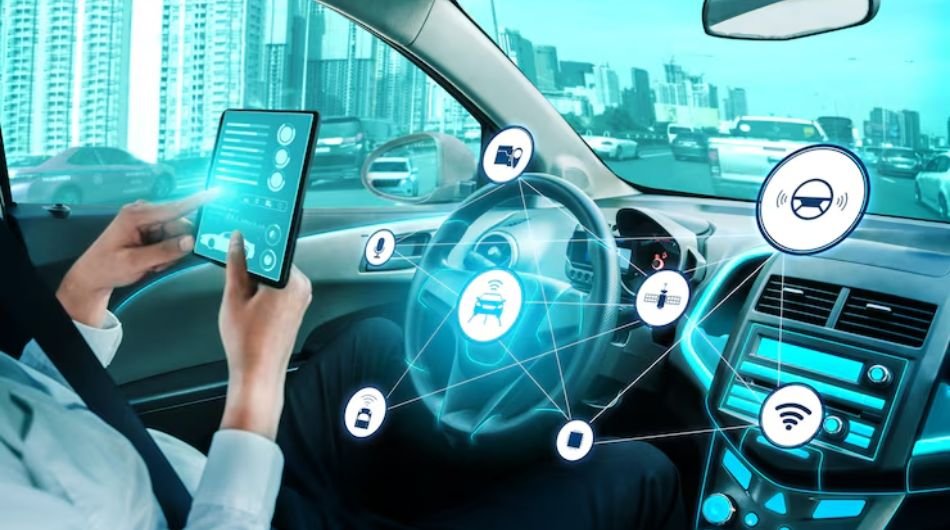
A software-defined vehicle is a modern car where most functions are controlled by software rather than fixed hardware. Unlike traditional vehicles that rely on individual mechanical and electronic components, SDVs use centralized computing systems, operating software platforms, and cloud connectivity to manage everything from braking systems to entertainment features.
This makes them flexible, upgradeable, and capable of improving over time similar to smartphones. Instead of being locked into factory settings, SDVs can evolve through software updates and new applications.
Key Features of Software-Defined Cars
1. Over-the-Air (OTA) Updates
SDVs can receive remote software updates that improve performance, fix bugs, and add new features without visiting a service centre.
2. Centralized Computing
Instead of many separate electronic control units (ECUs), SDVs use powerful central computers to manage multiple functions.
3. Cloud Connectivity
These vehicles are constantly connected to the cloud, enabling navigation updates, real-time traffic data, and remote diagnostics.
4. AI Integration
Artificial intelligence helps with driver assistance, predictive maintenance, and smarter decision-making on the road.
5. Feature-on-Demand
Drivers can unlock or subscribe to features such as advanced cruise control or infotainment upgrades.
From Hardware to Software: A Major Shift
Traditional cars relied on many ECUs, sometimes over 100 per vehicle, each controlling a single function. This made vehicles complex, heavy, and difficult to upgrade.
SDVs replace this system with centralised computing and zonal architecture, reducing wiring, lowering costs, and improving efficiency. Software can now control multiple systems simultaneously, allowing faster innovation and easier maintenance.
Benefits of Software-Defined Vehicles
- Continuous upgrades and improvements
- Better safety through real-time monitoring
- Personalized driving experience
- Predictive maintenance and fewer breakdowns
- Faster innovation cycles for manufacturers
- New revenue models through subscriptions and digital services
Challenges of SDVs
Despite their advantages, SDVs come with challenges:
- High software complexity
- Cybersecurity risks due to constant connectivity
- Data privacy concerns
- Expensive development and maintenance
- Customer resistance to subscription-based features
- Regulatory and legal uncertainties
Are Cars Becoming Gadgets?
With features like app-based control, AI assistants, cloud updates, and subscription services, modern cars increasingly resemble digital gadgets. Like smartphones, they are no longer static products but evolving platforms.
However, unlike phones, cars are safety-critical systems, making reliability, security, and regulation far more important.
Impact on Industry
The rise of software-defined vehicles is also reshaping the automotive job market and industry structure. Traditional roles focused on mechanical engineering and repair are gradually shifting toward software-driven expertise, with mechanics increasingly needing skills in diagnostics, coding, and system updates.
At the same time, car manufacturers are evolving into technology companies, relying heavily on software developers, AI engineers, and data scientists to build and maintain vehicle platforms. This shift is also reducing the dominance of purely mechanical roles as digital systems take over core vehicle functions.
Software-defined vehicles represent a fundamental shift in the automotive industry, turning cars into intelligent, upgradeable digital platforms. They offer improved safety, efficiency, and personalisation while opening new business opportunities for manufacturers. However, they also introduce challenges in cybersecurity, complexity, and consumer acceptance. As this transformation continues, the line between cars and gadgets will blur further. Ultimately, SDVs are not just changing how we drive; they are redefining what a car actually is.