



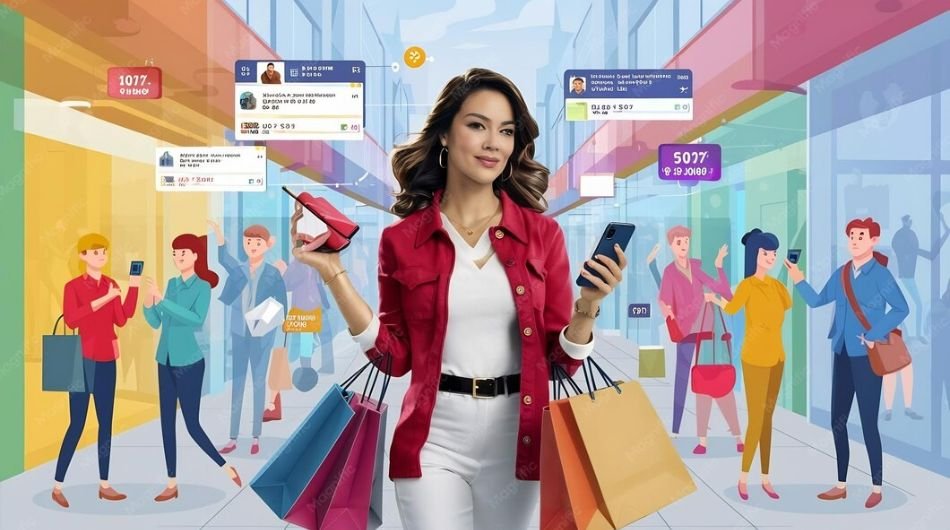
Social media is no longer just a place to connect with friends; it has evolved into a powerful digital marketplace where discovery, engagement, and purchasing happen in one seamless experience. Platforms like Instagram, Facebook, TikTok, and Pinterest are transforming everyday scrolling into a shopping journey.
This shift, known as social commerce, blends entertainment with e-commerce. Users discover products organically through posts, reels, and influencer content, then purchase instantly using in-app checkout features. The convenience of not switching between apps significantly reduces friction and boosts impulse buying.
As technology evolves, social media is becoming the new shopping mall: interactive, personalised, and always accessible, reshaping how consumers discover and buy products in the digital age.
Evolution of Social Commerce
Social commerce began with simple product promotions: brands posting images and links to their offerings. Over time, it has transformed into a fully integrated shopping ecosystem. Features like shoppable posts, in-app checkout, live shopping events, and
AI-driven recommendations have made it possible for users to move from inspiration to purchase without leaving the platform. Today, social commerce is a multibillion-dollar industry, reshaping how businesses interact with consumers and how consumers make buying decisions.
Why Social Media Shopping Is Booming
1. Seamless Convenience: Social media allows users to discover products organically while browsing content. With integrated checkout systems, the path from interest to purchase is almost instant.
2. Trust Through Social Proof: Consumers increasingly rely on peer reviews, comments, and influencer recommendations. Seeing a product used by real people builds credibility far more effectively than traditional advertising.
3. Frictionless Buying Experience: Users no longer need to switch between apps or websites. Everything from product discovery to payment happens within a single platform.
4. Community-Driven Decisions: Comments, shares, and discussions act as modern word-of-mouth marketing, influencing purchasing behaviour in real time.
Platforms Leading the Transformation
Each platform offers unique shopping features:
- Instagram: Shoppable posts, Stories, and in-app checkout create immersive shopfronts.
- Facebook: Marketplace and Shops connect businesses with local and global audiences.
- TikTok: Short-form videos and live shopping events drive impulse purchases.
- Pinterest: Visual discovery and shoppable pins inspire buying decisions.
- WhatsApp & Facebook Messenger: Enable direct, personalised communication between brands and customers.
The Power of Influencers
Influencers play a central role in social commerce. Through reviews, tutorials, and unboxing videos, they create authentic connections with audiences. Unlike traditional ads, influencer content feels relatable, making it more persuasive. Many brands now collaborate with micro-influencers, whose smaller but highly engaged audiences often drive higher conversion rates.
Live Shopping
Live shopping has emerged as a game-changer. Brands and creators host real-time sessions to showcase products, answer questions, and offer exclusive deals. This interactive format mirrors the in-store experience combining entertainment with instant purchasing.
AI and Personalization
Artificial intelligence is enhancing social commerce by analysing user behaviour, likes, searches, and interactions to deliver personalised product recommendations. Chatbots and virtual assistants further streamline the experience, offering instant support and guidance.
Impact on Traditional Retail
Social commerce is disrupting traditional e-commerce models. Instead of visiting online stores, consumers now discover products within their social feeds. This shift forces brands to:
- Focus on storytelling over direct selling
- Build communities rather than just customer bases
- Integrate shopping into content strategies
Challenges to Overcome
Despite its growth, social commerce faces challenges:
- Data privacy concerns
- Platform dependency
- High competition and content saturation
- Brands must innovate continuously to stand out and maintain trust.
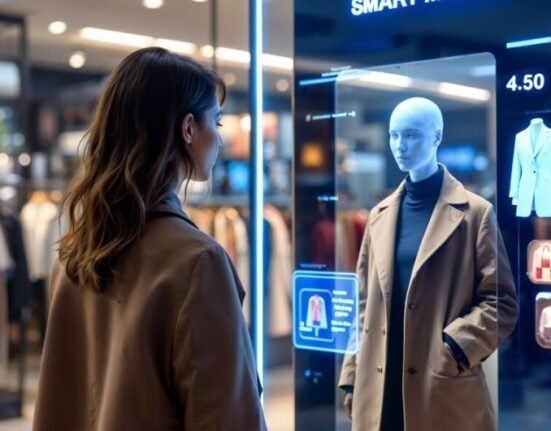
The future of social shopping is immersive and technology-driven. Innovations like augmented reality (AR) and virtual reality (VR) will enable “try-before-you-buy” experiences, while AI will deliver hyper-personalised shopping journeys. As these technologies evolve, social media will become even more integrated into everyday purchasing behaviour.