



Artificial intelligence is already shaping the way we live. From curated playlists and voice assistants to facial recognition and smart recommendations, AI quietly powers many of our daily decisions. Now, it’s transforming something far more personal: our skincare routines. Welcome to the era where beauty meets data, and personal care becomes truly personal.
Your skin is unique, influenced by everything from your environment and lifestyle to your hormones and sleep patterns. From skin-scanning apps and smart mirrors to personalised quizzes and ingredient matchmakers, AI is making skincare smarter, faster, and more efficient. It also encourages more mindful consumption by helping users avoid unsuitable products, ultimately reducing waste.
While AI enhances personalisation, it doesn’t replace the importance of quality ingredients or professional advice. Instead, it acts as a powerful companion guiding better choices and empowering users to build routines that truly work for their skin.
What Is AI-Powered Skincare?
At its core, AI-powered skincare uses data about your skin, lifestyle, and environment to create customised recommendations. It may sound complex, but in practice, it’s surprisingly accessible. These tools don’t just speed up decisions; they make them smarter, grounding choices in your skin’s actual needs rather than marketing hype. That said, AI isn’t magic. The effectiveness of your routine still depends on high-quality ingredients and consistent care.
Here’s how it shows up in your routine:
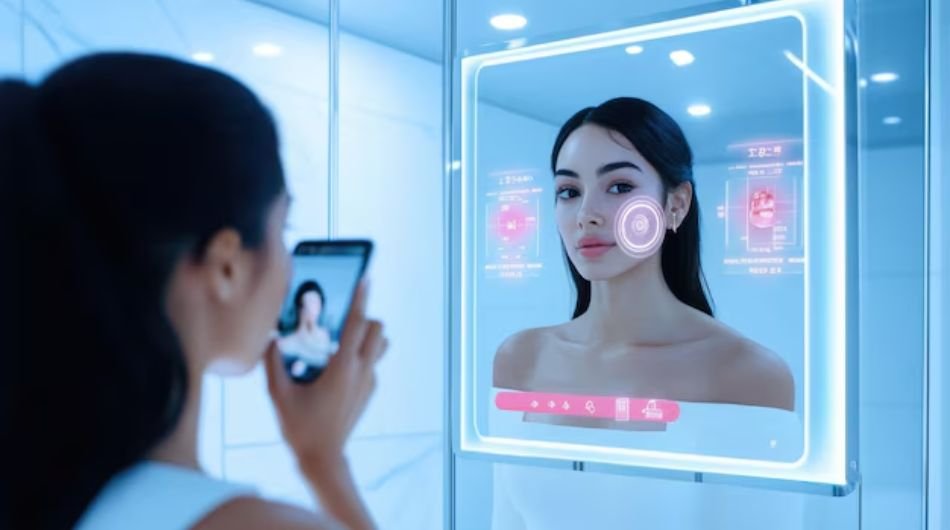
- Skin analysis apps scan your face to detect concerns like dryness, pigmentation, or fine lines.
- Diagnostic quizzes use your lifestyle habits to suggest personalised routines.
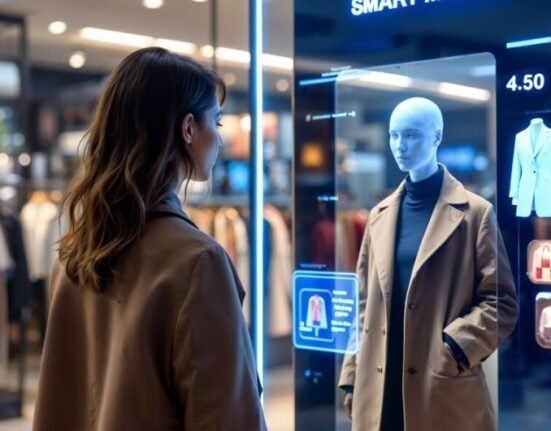
- Smart mirrors and tools provide real-time feedback using light and image analysis.
- Ingredient matchmakers pair your skin profile with scientifically backed actives.
Why AI Is Transforming Beauty
The shift toward AI in beauty is driven by one key demand: hyper-personalisation. Consumers today expect products and experiences tailored to them, and AI delivers the following:
- Precision: Recommendations based on real data, not assumptions
- Efficiency: Faster routines with fewer mismatches
- Innovation: Virtual try-ons, smart diagnostics, and at-home beauty tech
- Sustainability: Reduced overconsumption and product waste
In fact, a growing number of consumers now prefer brands that offer personalised experiences, and companies are rapidly adapting to meet that expectation.
Conscious Beauty Meets Smart Technology
AI has the power to cut through the noise of endless trends, helping consumers focus on what their skin actually needs rather than impulse-driven purchases. This leads to more mindful routines, fewer unnecessary products, and significantly less waste.
However, technology should enhance, not replace, the core principles of good skincare: simple formulations, effective ingredients, and sustainable practices. When used responsibly, AI doesn’t just make skincare smarter; it makes it more conscious, aligning innovation with a deeper commitment to both skin health and the planet.
The Ethical Side of AI in Skincare
With innovation comes responsibility. As AI becomes more integrated into personal care, several ethical considerations come into focus:
- Data Privacy: AI tools often rely on selfies, scans, and personal inputs. Users deserve transparency about how their data is collected, stored, and used.
- Inclusivity: Many algorithms are trained on limited datasets, which can lead to inaccurate results especially for diverse skin tones and types. True personalisation must work for everyone.
- Environmental Impact: AI systems require significant energy to operate. However, they can also contribute to sustainability by reducing waste and improving efficiency in product usage.
The future of AI in beauty depends on building systems that are fair, transparent, and environmentally responsible.
What AI Can—and Can’t—Do (Yet)
Despite rapid progress, AI in skincare is still evolving.
Can do:
- Analyse visible skin concerns
- Suggest routines and ingredients
- Enhance convenience and accessibility
Cannot do.
But it cannot yet replace professional diagnosis. Dermatological conditions still require expert evaluation, and AI tools are not advanced enough or regulated to make medical decisions. Think of AI as a guide, not a substitute for professional advice.
The Future: Smarter, Simpler, More Sustainable
Looking ahead, the intersection of AI and beauty holds enormous potential. Over the next decade, we can expect:
- More accurate and adaptive skin analysis
- Deeper integration of lifestyle factors like sleep and diet
- At-home tools with clinic-level precision
- Even greater personalisation powered by advanced AI models
Ultimately, the future of personal care its about making smarter, more informed choices that benefit both our skin and the planet.