Voice commerce, often called v-commerce, is transforming how people shop by turning simple spoken commands into complete purchasing journeys. Instead of scrolling or typing, consumers can ask devices like Amazon Alexa, Google Assistant, or Siri to find products, compare options, and place orders instantly.
What began as a futuristic idea is now becoming mainstream. With billions of voice-enabled devices in use and growing adoption among consumers, voice commerce is emerging as a powerful retail channel. Its appeal lies in convenience; users can shop hands-free while cooking, driving, or multitasking.
Artificial intelligence plays a key role in this evolution. Advanced natural language processing allows voice assistants to understand intent, offer personalised recommendations, and even automate repeat purchases. This creates a faster, more intuitive shopping experience.
However, challenges remain. Privacy concerns, accuracy issues, and limited trust in handling complex purchases still affect adoption. Despite this, ongoing improvements in AI and security are steadily addressing these barriers.
As voice technology becomes more integrated into daily life, voice commerce is set to reshape e-commerce, making shopping not just digital but conversational and effortless.
What Is Voice Commerce?
Voice commerce is a subset of digital commerce that allows users to discover, evaluate, and purchase products using natural speech. It differs from broader conversational commerce by focusing exclusively on voice interactions rather than text-based chats or messaging apps.
At its core, voice commerce replaces traditional interfaces – screens, keyboards, and clicks – with spoken language as the primary interface. A typical journey might look like:
“Find me running shoes under ₹5,000.”
“Compare the top options.”
“Order the best one.”
The Rapid Growth of Voice Commerce
Voice commerce has moved beyond experimentation into real-world adoption at scale. Consider these trends:
- 8.4 billion voice assistant devices were active globally in 2024–25
- Nearly 50% of consumers use voice search for shopping
- 74% of voice-AI users have completed a purchase-related task via voice
- The market is expected to reach $62 billion in 2025 and exceed $250 billion by 2033
Voice technology is also expanding beyond smart speakers into the following:
- Smartphones
- Cars (over 240 million users globally)
- Wearables and smart home devices
How Voice Commerce Works
Voice commerce relies on three key components:
1. Voice-Enabled Devices
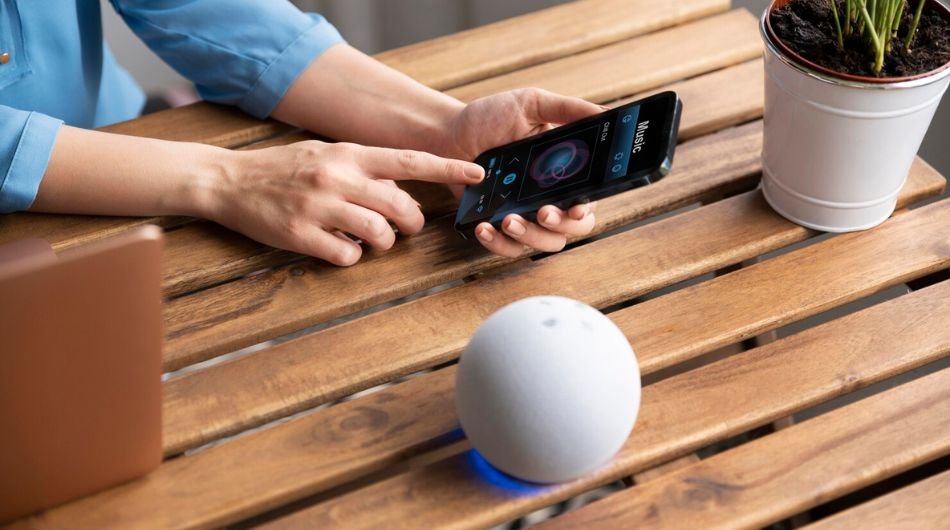
Devices equipped with microphones and assistants interpret spoken commands using AI and speech recognition.
2. Integrated Product Ecosystems
Retailers must connect their product catalogues, inventory, and pricing systems to voice platforms so assistants can retrieve accurate information.
3. Secure Payment Systems
Transactions are completed using stored payment methods, often secured by:
- Voice recognition
- Biometrics
- Multi-factor authentication
Why Consumers Are Embracing Voice Shopping
Convenience and Speed: Voice commerce eliminates friction. Users can shop while cooking, driving, or multitasking no screen required.
Natural Interaction: Instead of learning interfaces, users simply speak. This makes the experience intuitive and accessible.
Personalisation: Voice assistants analyse past behaviour to:
- Recommend products
- Suggest reorders
- Offer personalized deals
- Accessibility
The Rise of Agentic AI
Traditional assistants follow commands. New AI systems go further by acting autonomously:
- Suggesting products based on past purchases
- Comparing options with reasoning
- Reordering items automatically
- Completing transactions with minimal input
Major retailers are already investing in this space, creating assistants that function as personal shopping agents rather than simple tools.
Challenges Slowing Adoption
Despite its potential, voice commerce faces several hurdles:
- Privacy Concerns: Users worry about how voice data is stored and used. Regulations and stronger security measures are critical.
- Accuracy Issues: Accents, background noise, and speech variations can lead to misinterpretation.
- Limited Trust: Consumers often use voice for small or repeat purchases, not high-value transactions.
- Fragmented Ecosystems: Different platforms (Alexa, Google Assistant, and Siri) operate independently, creating inconsistent experiences.
The Future of Voice Commerce
Voice commerce is heading toward a more intelligent, integrated future:
- Hyper-personalisation: Assistants will anticipate needs based on behaviour and preferences.
- Multilingual Capabilities: Improved AI will support diverse languages and accents, expanding global adoption.
- IoT Integration: Smart devices will automate purchases.
- Refrigerators ordering groceries
- Cars scheduling maintenance
- Homes managing subscriptions
Voice commerce is redefining the relationship between consumers and technology. By removing screens and simplifying interactions, it delivers a faster, more intuitive shopping experience powered by AI. While challenges like privacy and accuracy remain, the momentum is undeniable. As smart assistants become more intelligent and integrated into daily life, voice commerce is set to become a central pillar of the digital economy.