




Buying a used car in India has become increasingly popular due to its affordability and better value for money. It allows buyers to access higher-end models at lower prices while avoiding the steep depreciation of new cars. However, purchasing a pre-owned vehicle comes with certain risks, such as hidden mechanical issues, past accidents, or incomplete documentation.
To avoid these problems, it’s essential to take a careful and informed approach. Inspecting the car’s condition, verifying documents, reviewing service history, and taking a proper test drive can help identify potential issues early. Buying a used car is a smart, well-researched decision that ensures reliability and long-term satisfaction.
Start with a Thorough Inspection
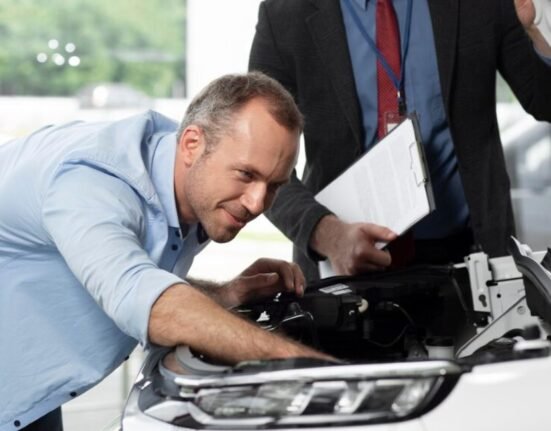
The first step in buying a used car is assessing its overall condition. Begin with the exterior; look closely for dents, scratches, rust, or mismatched paint. Panel alignment can also reveal whether the car has undergone major repairs.
Move to the interior and check the condition of the seats, dashboard, and controls. Ensure all electronic components such as the air conditioning, infotainment system, power windows, and lights are functioning properly. A clean and well-maintained interior often reflects responsible ownership.
Equally important is the engine and undercarriage. Inspect for oil leaks, rust, or any visible damage. When you start the car, listen for unusual noises and observe how smoothly the engine runs. The condition of the brakes, steering, and transmission should also be carefully evaluated, as these directly affect safety and performance.
Review Maintenance History
Maintenance records provide valuable insight into how well the car has been cared for. A vehicle with consistent service history is generally more reliable. These records can also help you anticipate future maintenance needs and costs. However, always verify their authenticity to avoid being misled.
Verify Documents Carefully
Documentation is a critical aspect of buying a used car. Start with the Registration Certificate (RC) and ensure that all details match the car and the seller. Check the Vehicle Identification Number (VIN) and engine number for consistency.
Insurance documents should also be reviewed. Look into the claim history, as multiple claims may indicate past accidents. Ensure that the policy is valid and can be transferred to your name. If the car was purchased on a loan, ask for a No Objection Certificate (NOC) to confirm that all dues have been cleared.
Additionally, verify other documents such as the Pollution Under Control (PUC) certificate, road tax receipt, and service history. Proper documentation ensures a smooth ownership transfer and protects you from legal complications.
Pay Attention to Ownership and Usage
Understanding the car’s ownership history can reveal a lot about its condition. Cars with fewer owners are usually better maintained. Try to learn about how the car was used, whether primarily for city driving or long highway runs, as this affects wear and tear.
Mileage is another important factor. Cross-check the odometer reading with service records and the overall condition of the vehicle. Signs of excessive wear on pedals or seats may indicate tampering.
Inspect Tyres and Suspension
Tyres and suspension play a key role in comfort and safety. Check the tread depth and look for uneven wear, which could signal alignment or suspension issues. Replacing tyres can be expensive, so factor this into your budget if needed.
Take a Proper Test Drive
A test drive is essential before making any decision. Drive the car under different conditions, city traffic and open roads, to assess its performance. Pay attention to engine smoothness, gear shifts, braking efficiency, and steering response. Listen for any unusual noises and ensure the car feels stable and comfortable.
Consider a Professional Inspection
If you’re not confident in evaluating the car yourself, it’s wise to hire a professional mechanic. They can identify hidden problems that may not be visible during a basic inspection, giving you peace of mind before finalising the purchase.
Check for Illegal Modifications
Some cars may have aftermarket modifications such as loud exhausts, engine tweaks, or oversized tyres. Many of these are illegal in India and can create legal trouble. It’s best to avoid vehicles with such modifications.
Choose the Right Buying Source
Used cars can be purchased from dealerships, online platforms, or private sellers. Dealerships offer more reliability and handle paperwork but may charge higher prices. Online platforms provide variety and convenience, while private sellers may offer better deals but require more diligence from the buyer.
Ensure Ownership Transfer
Finally, transferring ownership is not just a formality; it’s essential. It legally establishes you as the new owner and protects you from any liabilities associated with the previous owner. Make sure all documents are properly transferred and updated.