



The automotive world has undergone a massive transformation over the past decade, and by 2025, electric vehicles (EVs) have moved from niche innovation to mainstream reality. Governments around the globe are promoting clean energy, charging networks are expanding, and nearly every major automaker now offers an electric lineup.
The early golden age, which was followed by a long decline, and the modern revival can be summed up as the two major phases of the history of electric vehicles. Electric cars began as early experiments in the 19th century and became a popular mode of transportation around 1900. They were valued for their quietness, cleanliness, and ease of operation. Women and people who lived in urban areas particularly favored them. After 1912, however, Henry Ford’s affordable, mass-produced Model T and the invention of the electric starter, which made it easier to crank gasoline engines by hand, caused this popularity to drop significantly. These advancements, along with improved roads and cheaper gas, made gasoline cars a lot more practical for long-distance travel, and electric cars were almost out of the market by 1935.
During the oil crises of the 1970s, there was renewed interest in electric vehicles after decades of stagnation. In the 1990s, there was a resurgence of interest in electric vehicles as a result of growing environmental concerns and stricter emissions regulations. However, significant advances in battery technology in the 21st century marked the true turning point. Major automakers re-entered the market as a result of the Tesla Roadster’s 2008 launch, which demonstrated the high-performance potential of electric vehicles. Since then, government incentives and ongoing advancements in battery range and charging infrastructure have contributed to an explosion in EV sales and established them as an essential component of the modern automotive industry.
The Pros of Driving Electric Cars in 2025
- Reduced Operating Costs: The lower cost per mile compared to gasoline vehicles remains one of the greatest benefits of EV ownership. Even with fluctuating energy prices, charging an electric vehicle is generally less expensive than filling up with gasoline or diesel. Costs associated with maintenance are reduced because electric vehicles do not require oil changes, have regenerative braking systems, and have fewer moving parts.
- Zero Tailpipe Emissions: Sustainability of the environment continues to drive the adoption of EVs. Cleaner air: Electric vehicles do not emit tailpipe emissions, which reduces urban air pollution.
- Lower carbon footprint: The overall environmental impact of charging EVs continues to decrease as renewable energy becomes a larger part of the power grid in 2025. Because of this, EVs are a crucial component of global efforts to fight climate change.
- Support and incentives from the government: Incentives to encourage the use of EVs are still available in many nations.
- Tax credits or rebates: When you buy an electric vehicle, you might be eligible for lower taxes, grants, or rebates, depending on where you live. Benefits like free parking and access to low-emission zones and reduced tolls for electric vehicles are still available in some urban areas.
- Improvised Battery Range and Perfomance: By 2025, most mainstream electric vehicle models will be able to travel between 300 and 400 miles (480 and 640 kilometers) on a single charge.
- Faster acceleration: Electric vehicles’ smooth, responsive performance is made possible by their instant torque.
- Enhanced efficiency: EVs are now more energy-efficient than ever thanks to battery management systems and regenerative braking.
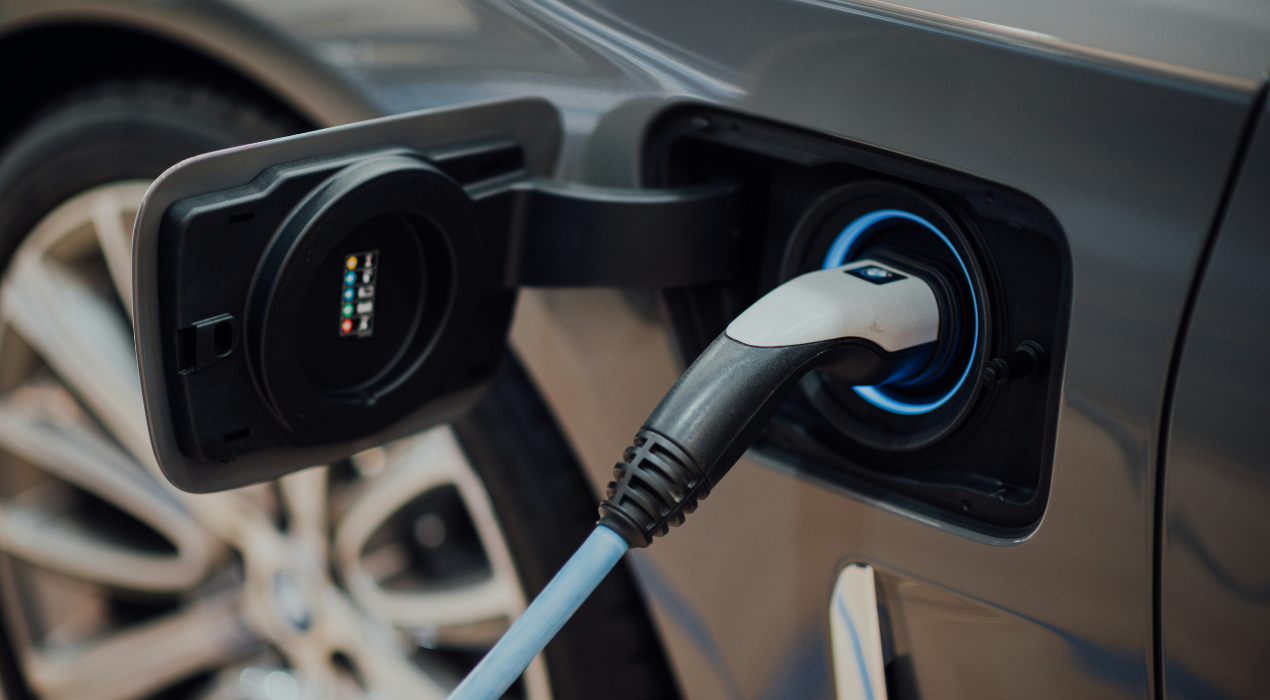
- Expanding Charging Infrastructure: There are now fast-charging stations in most major cities and along major highways. Convenience when charging at home: Many drivers start their days with a “full tank” thanks to smart home chargers. Additionally, charging times have decreased—modern fast chargers can recharge a battery to 80 percent capacity in as little as 20–30 minutes.
The Cons of Driving Electric Cars in 2025
- Higher Initial Costs: Even though the cost of EVs has gone down, they still tend to be more expensive than regular automobiles.
- Costs of batteries: Although battery technology is getting cheaper, it is still the most expensive part of an EV.
- Luxury bias: Many electric vehicles are still marketed as high-end models, despite the emergence of more affordable alternatives.
- Problems with charging time and availability: Even with faster charging technology, it still takes longer to fill up a gas-powered vehicle.
- Waiting times: Public fast chargers can get crowded, especially at popular stations or on holidays.
- People who live in apartments: It might be difficult to charge on a regular basis for those who do not have access to private parking or home chargers.
- Costs associated with replacing the battery: Even though EV batteries are now more long-lasting, they still degrade over time.
- Range loss: Drivers may begin to notice a gradual reduction in battery capacity after several years.
- Cost of replacement: Out-of-warranty battery replacements can be expensive, but warranties, which typically last eight years or more, give you peace of mind.
- Performance in Extreme Weather: Still, some EVs have trouble towing or driving in extreme conditions.
- Cold weather: Low temperatures can shorten the duration of a charge and make it less efficient.
- Heavy loads: driving uphill or towing large trailers can drain the battery more quickly than usual.
- Environmental Effects of Making Batteries: Battery production involves mining and manufacturing procedures that have an impact on the environment, even though EVs are greener on the road. Mining for lithium, cobalt, and nickel can raise ethical and ecological questions.
- Problems with recycling: Although recycling programs are getting better, large-scale recycling of EV batteries is still in its infancy.
Conclusion:
Will Electric Vehicles Be Worth It in 2025? Driving an electric vehicle will be more practical and enjoyable than ever in 2025. The infrastructure has grown, the technology has become more advanced, and public awareness has increased. Before making the switch, potential buyers should still consider their driving habits, charging options, and budget. For most drivers—especially urban commuters and eco-conscious consumers—EVs offer an excellent balance of performance, cost savings, and sustainability. However, hybrid or plug-in hybrid vehicles may still be the better option for the time being for those who frequently travel long distances or lack access to charging facilities.