The story of ecommerce in 2026 isn’t just about giants like Amazon and Walmart but there’s no denying their dominance. Alongside mass merchants such as Target and Costco, they continue to capture an increasing share of online sales. In fact, Amazon alone accounts for around 40% of ecommerce revenue among top retailers, highlighting the sheer scale of its digital ecosystem.
However, this dominance only tells part of the story. Beyond these retail giants, a significant transformation is reshaping the ecommerce landscape. Growth is being driven by high-performing categories like food and beverage, health and beauty, and personalised wellness, all fuelled by changing consumer expectations. Shoppers today demand convenience, speed, and tailored experiences pushing retailers to adopt AI, expand digital marketplaces, and refine their supply chains.
At the same time, emerging trends such as quick commerce, social media-driven shopping, and mobile-first consumers are creating new opportunities for smaller and niche players. As a result, the fastest-growing online retailers in 2026 are not just the biggest but the most adaptable, innovative, and customer-focused.
Beyond the Giants: Category Growth Driving Retail
Mass merchants remain the fastest-growing category, with online sales rising over 14% year-on-year. Their strength lies in scale, logistics, and integrated marketplaces.
Food & Beverage is booming, with online grocery sales surging as convenience becomes non-negotiable. Retailers like Kroger and Albertsons are capitalizing on this shift, contributing to tens of billions in online sales.
Close behind is Health & Beauty, driven by rising wellness awareness and digital-first brands. Companies like Walgreens Boots Alliance and Hims & Hers are leveraging social media, telehealth, and subscription models to fuel double-digit growth.
Beyond the major categories, emerging segments like pet care, baby products, and fitness and home wellness are gaining traction. These categories benefit from repeat purchases, growing awareness, and niche targeting, making them attractive for both new and established retailers.
The Rise of Smart, Personalised Commerce
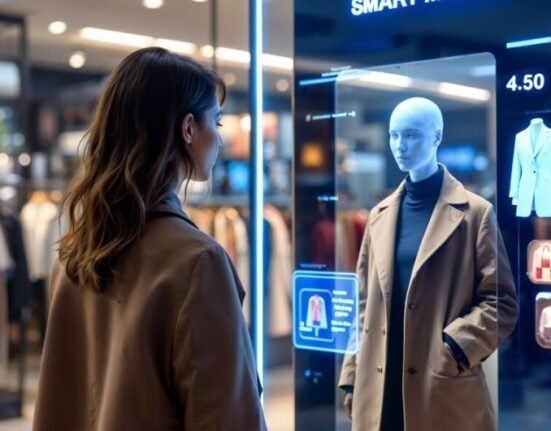
AI is reshaping how retailers sell. From personalised recommendations to conversational search, e-commerce is becoming more intuitive and tailored. Consumers increasingly expect brands to “know” them; 67% now demand personalised shopping experiences. This shift is not just enhancing user experience; it’s boosting conversion rates and customer loyalty.
Retailers are responding with:
- AI-driven product recommendations
- Virtual try-ons and smart diagnostics
- Hyper-targeted retail media networks
Role of Technology
Technology is also playing a defining role in shaping the future of online retail. AI-powered recommendations, chat-based shopping experiences, and smarter logistics systems are helping brands deliver faster, more personalised services. From predicting customer preferences to optimising delivery routes, technology is enabling retailers to improve efficiency while enhancing the overall customer experience, making e-commerce in 2026 more intelligent and responsive than ever before.
Changing Consumer Behavior
Today’s shoppers are more informed, value-driven, and digitally native. Trends shaping 2026 include:
- Mobile-first shopping, especially in emerging markets like India
- Social commerce, driven by platforms like Instagram and YouTube
- Secondhand marketplaces, with rising demand for sustainable and affordable options
- “Slow living”, prioritising quality over quantity
This shift is not just enhancing user experience; it’s boosting conversion rates and customer loyalty.
Challenges in a Volatile Market
Despite growth, 2026 has been far from smooth. Tariff changes, supply chain disruptions, and rising cyber threats have forced retailers to adapt. At the same time, inflation and reduced consumer spending power mean shoppers are selective than ever.
To stay competitive, retailers are investing heavily in:
- AI-powered supply chains
- Flexible payment options like Buy Now, Pay Later
- Marketplace expansion and fintech integration
The Global Leaders Still Lead
On a global scale, Walmart remains the largest retailer, followed by Amazon. European players like Schwarz Group and Aldi continue expanding aggressively, while Costco thrives on value-driven loyalty. Meanwhile, emerging markets are producing new contenders, including Reliance Industries, which is rapidly scaling its retail footprint.
The fastest-growing online retailers in 2026 are not just those with the biggest inventories but those that combine technology, personalisation, and agility. Success now depends on understanding evolving consumer needs, leveraging AI, and building resilient, transparent systems.