



Although aging is a natural process, the distinction between growing older and aging gracefully—or even reversing indications of age—is becoming increasingly hazy due to modern science. Nowadays, anti-aging is more than just creams and facials; it’s evolving into a high-tech intersection of biotechnology, artificial intelligence, regenerative medicine, and personalized health.
In 2025, anti-aging is about comprehending and changing biological aging at the molecular and cellular level, not merely about looking younger. Let’s examine the most innovative technologies that are changing our perceptions about longevity and aging.
1. Regenerative Medicine and Stem Cell Therapies
One of the most transformative areas in anti-aging science is regenerative medicine. Stem cells have the unique ability to become other types of cells, repair tissue, and stimulate healing.
What’s New:
- Enhanced stem cell treatments are being developed to repair aged or damaged tissues—from skin to internal organs—potentially improving elasticity, reducing wrinkles, and restoring vitality.
- Clinics are now offering therapies that use a patient’s own cells to reduce inflammation and promote regeneration with fewer side effects.
This approach targets aging at its source rather than just masking its symptoms.
2. Personalized Genomics and Epigenetic Interventions
In 2025, anti-aging treatments are becoming increasingly individualized.
How This Works:
Scientists now use genomic sequencing and epigenetic profiling to understand how your genes influence aging. With this data, personalized treatments can be designed—ranging from lifestyle changes to targeted therapies aimed at slowing biological aging. This represents a shift from “one-size-fits-all” treatments to custom anti-aging strategies tailored to each person’s biology.
3. AI-Driven Diagnostics and Precision Treatment
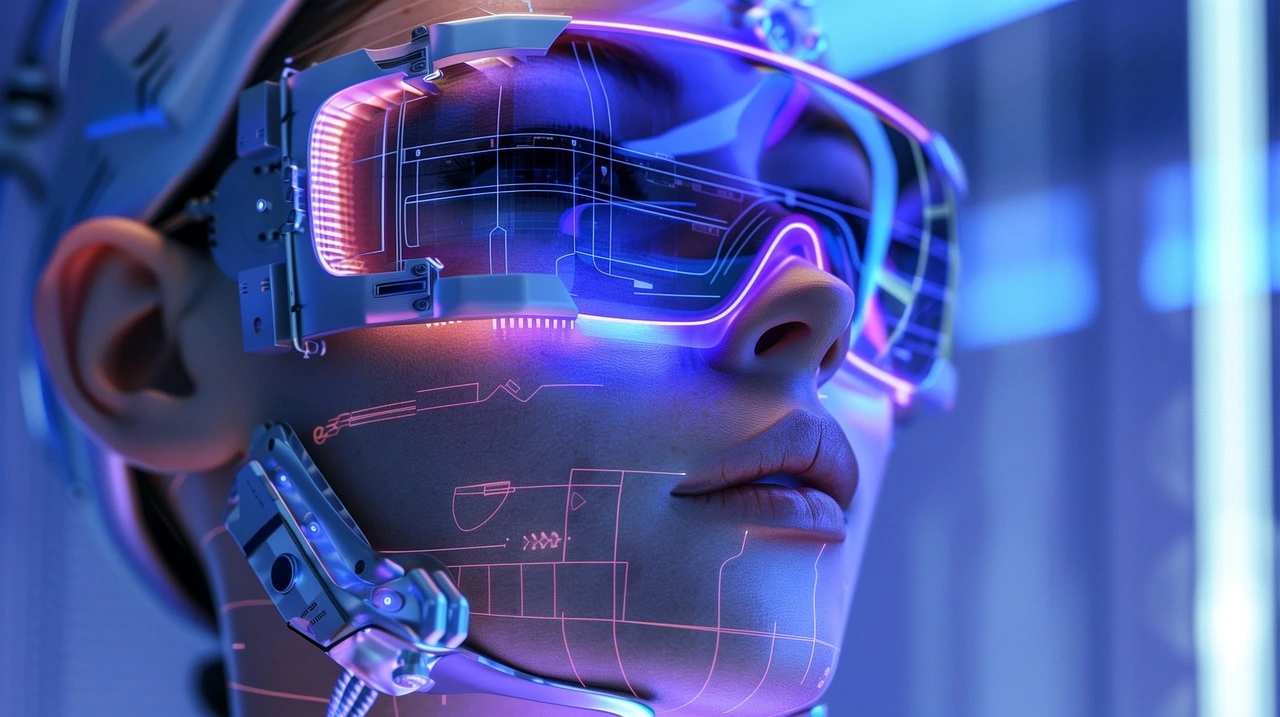
Artificial intelligence (AI) is rapidly revolutionizing anti-aging technology.
Key Innovations:
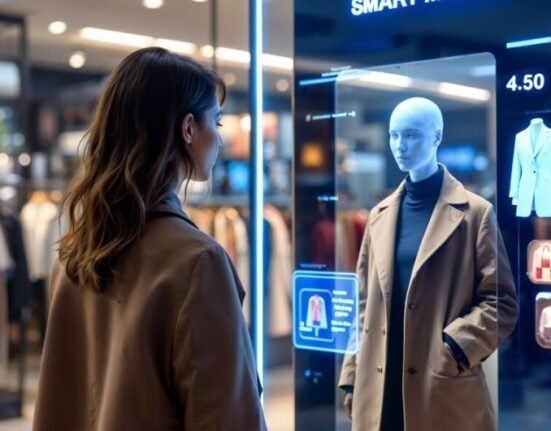
- AI-guided facial mapping helps dermatologists plan injections (like Botox or fillers) with unprecedented precision, improving results and safety.
- Machine learning systems analyze skin conditions and recommend personalized treatments, from lasers to home care products.
AI isn’t just a buzzword—it’s becoming the backbone of precision anti-aging medicine.
4. Advanced Non-Invasive Skin Rejuvenation
Non-surgical treatments continue to evolve, offering powerful anti-aging results with minimal downtime.
Trending Technologies:
- Microneedling with Radiofrequency (RF): Combines tiny needles with RF energy to stimulate collagen and improve skin firmness and texture.
- Fractional and picosecond lasers: These advanced lasers repair and renew the skin at deeper levels with better precision and quicker recovery.
- New skin tightening systems like Thermage and QuantumRF provide deeper collagen stimulation for skin laxity without surgery.
These treatments are redefining what’s possible without going under the knife.
5. Nanotech, Smart Topicals, and Bio-Engineered Patches
Biotech-enhanced anti-aging medicines are replacing conventional creams.
Among the innovations are:
Smart skin patches that, depending on the state of the skin, release antioxidants, vitamins, or peptides as needed. Nanotechnology in skincare: Compared to previous formulations, tiny particles deliver active chemicals deeper into the skin for increased efficacy.
Clinical-level outcomes are brought to at-home care via these technologies.
6. Exosomes and Cell-Derived Therapies
Exosomes tiny communication vesicles released by cells are emerging as a hot anti-aging trend.
Why They Matter:
They help cells communicate and can stimulate healing and collagen production when used in topical or injectable forms. While scientific validation is still developing and some products remain unregulated, interest from researchers and beauty brands is growing rapidly.
7. Anti-Aging Drugs and Longevity Research
Beyond skincare, the pursuit of biological longevity is accelerating.
Cutting-Edge Developments:
- Scientists are exploring drug combinations that extend lifespan in animal models and improve health markers—a promising step toward similar human treatments.
- Influencers like Bryan Johnson argue that AI will help achieve biological age stabilization and perhaps beyond as early as 2039.
This field is still experimental, but it marks a future where aging could be slowed systemically, not just cosmetically.
Anti-aging technology in 2025 is no longer just about reducing wrinkles. It’s about:
- Preventing cellular damage
- Stimulating tissue repair and regeneration
- Customizing treatments based on your biology
- Using AI for precision and personalization
In other words, science is aiming for healthspan as well as lifespan keeping people not just looking young, but feeling biologically younger.
Conclusion
The field of anti-aging is growing more advanced, scientific, and hopeful than it has ever been. 2025 is expected to be a pivotal year in the longevity revolution, from AI and regenerative medicine to precision genetics and cutting-edge skincare technology.
However, invention also entails responsibility. Anti-aging will require ethical governance, thorough scientific validation, and fair access for all people worldwide.
One thing is certain: our perception of aging may never be the same again, and what once appeared like science fiction is quickly becoming a reality.