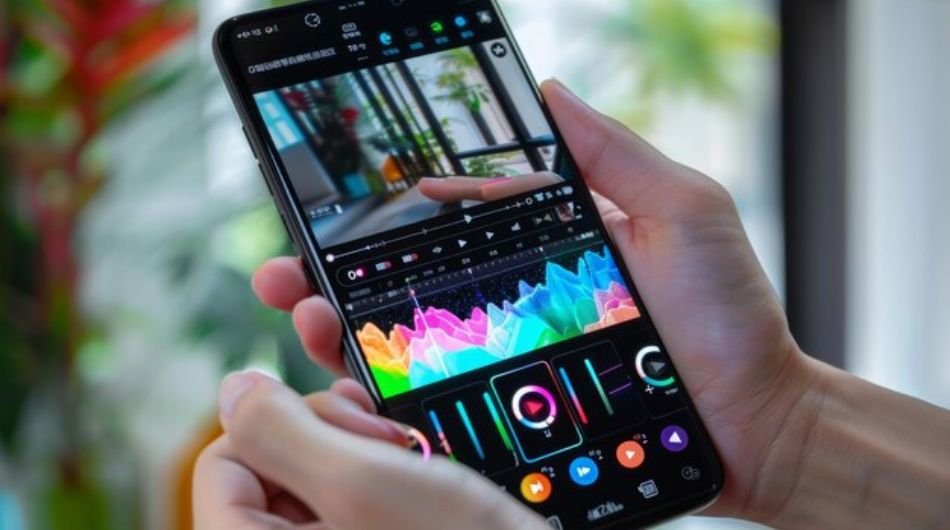
The video editing landscape is undergoing a quiet but powerful shift. What was once the domain of high-performance desktop software is now increasingly accessible through smartphones. Mobile video editing apps, once considered basic tools for trimming clips, are rapidly evolving into sophisticated platforms that rival professional software in both capability and convenience.
At the centre of this transformation is a booming market. The global mobile video editing applications market was valued at USD 1,098.37 million in 2025 and is projected to reach USD 2,485.86 million by 2034, growing at a CAGR of 9.5%. This growth reflects not just rising demand, but a deeper change in how video content is created, edited, and consumed.
Rise of Mobile Editing: From Convenience to Capability
Mobile editing apps began as simple tools cutting clips, adding filters, and exporting short videos. Today, they offer features that were once exclusive to professional software:
- Multi-track timelines
- Advanced transitions and effects
- Color correction and grading tools
- 4K export capabilities
- AI-powered automation
What’s Driving the Competition?
1. Influencer Culture and Social Media Explosion
The rise of platforms like YouTube, Instagram, and TikTok has created an unprecedented demand for video content. Influencers and brands alike need to produce high-quality videos quickly and consistently.
Mobile apps meet this need perfectly:
- Fast editing workflows
- Social media-optimised formats
- Built-in templates and effects
2. Democratization of Video Production
Professional editing software traditionally required:
- Expensive hardware
- Technical expertise
- Steep learning curves
Mobile apps remove these barriers. Beginners can now create polished videos using intuitive interfaces and AI assistance.
3. AI-Powered Innovation
Artificial intelligence is one of the biggest disruptors in this space. Modern mobile apps now offer:
- Auto-editing and scene detection
- AI-generated captions
- Background music synchronization
- Smart color correction
These features significantly reduce editing time and skill requirements.
4. “Transition to Professional Editing” Path
Mobile apps are no longer just entry-level tools; they are stepping stones to professional workflows.
- Most creators follow a progression:
- Start with basic social media editing
- Move to advanced mobile editors with timelines
- Use AI tools for scaling content
- Transition to desktop software when needed
Apps like Splice play a crucial role here, offering desktop-style editing controls on mobile, helping users build real editing skills before moving to advanced software like Premiere
Where Mobile Still Falls Short
Despite rapid advancements, mobile apps face limitations that keep professional software relevant.
1. Performance and File Handling
Large video files require significant processing power and storage. Mobile devices often struggle with:
- Long-form content (10–20 minutes+)
- High-bitrate exports
- Complex multi-layer projects
Cloud-based solutions exist, but they introduce latency, bandwidth costs, and security concerns.
2. Advanced Color and Audio Control
Professional editors still dominate in:
- Cinematic color grading
- Multi-track audio mixing
- Precision editing tools
These features require deeper control and hardware optimisation that mobile platforms are still catching up to.
3. Collaboration and Workflow Integration
Team-based production common in film, advertising, and enterprise content relies on the following:
- Shared project files
- Version control
- Review pipelines
- Desktop ecosystems remain far more robust in this area.
Many mobile editing apps follow a freemium model:
Free basic tools
Paid premium features (4K export, advanced effects, watermark removal). This model lowers entry barriers while generating consistent revenue from power users.
However, it also creates competition challenges:
- Users expect high-quality features for free
- Pirated software impacts profitability
- Differentiation becomes critical
Mobile vs Professional Software: A Converging Future
Rather than replacing professional software, mobile apps are reshaping the ecosystem.
Mobile Strengths:
- Speed and convenience
- AI automation
- Social media integration
- Accessibility
Professional Software Strengths:
- Precision and control
- High-end production capabilities
- Collaboration tools
- Scalability for complex projects
- The real shift is toward hybrid workflows:
- Rough cuts on mobile
- Final edits on desktop