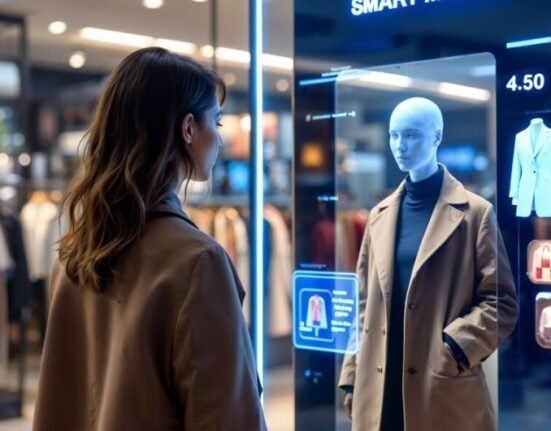





Online shopping has evolved rapidly over the past decade, and one of the biggest drivers of this transformation is artificial intelligence (AI). Today, AI-powered search is changing how customers discover products, interact with online stores, and make purchasing decisions. Instead of relying on traditional keyword-based search systems, modern e-commerce platforms now use advanced technologies such as machine learning and natural language processing (NLP) to understand user intent and deliver more accurate, relevant results.
This shift has made online shopping faster, smarter, and more personalized. Customers no longer need to know exact product names or use precise search terms. AI can interpret natural language queries, analyse browsing behaviour, and even predict what a shopper might be looking for. As a result, the search experience feels more intuitive and human-like.
At the same time, AI-powered search benefits businesses by improving product discovery, increasing customer engagement, and boosting conversion rates. Personalised recommendations and real-time suggestions help shoppers find products they might not have considered, increasing both satisfaction and sales.
As e-commerce continues to grow, AI-powered search is becoming a core part of the digital shopping experience. It is not just improving how people search for products; it is redefining how they shop online altogether.
Understanding Customer Intent
Unlike traditional search engines, AI search can interpret natural language and unclear queries. For example, a search like “comfortable shoes for running” still produces highly relevant results. This reduces frustration and helps customers find products more easily.
Personalized Shopping Experience
AI analyses user behaviour such as browsing history, preferences, and past purchases to personalise search results. Customers are shown products that match their interests, which improves satisfaction and increases the chances of purchase.
Faster and More Accurate Results
AI-powered search delivers real-time suggestions, auto-complete options, and smart filters. This speeds up the shopping process and reduces the time customers spend looking for products, leading to higher engagement and conversions.
Better Product Discovery
AI does more than answer direct searches; it also suggests related or complementary products. This improves product discovery and encourages cross-selling and upselling, helping customers find items they might not have searched for initially.
Improved Mobile Shopping Experience
With features like voice search and predictive suggestions, AI makes mobile shopping easier and more efficient. This is especially important as more users shop through smartphones and tablets.
Benefits for Businesses
For retailers, AI-powered search improves product visibility, increases customer engagement, reduces cart abandonment, and boosts conversion rates. It also provides insights into customer behaviour, helping businesses improve inventory planning and marketing strategies.
Real-World Use and Impact
Platforms like Amazon use AI-driven search and recommendation systems to personalise shopping at scale, significantly influencing what customers discover and buy.
Challenges and Limitations
Despite its advantages, AI search still faces challenges such as data privacy concerns, accuracy issues, and the need for high-quality product data. However, ongoing improvements are helping address these limitations.
Future of AI-Powered Search
In the future, AI search is expected to become even more predictive and proactive. Instead of waiting for users to search, systems may suggest products based on lifestyle patterns, past behaviour, and real-time context such as location or season.
AI-powered search is making online shopping more intuitive, efficient, and personalised. By understanding customer intent and delivering smarter results, it improves user experience while also increasing sales and customer satisfaction for retailers.