




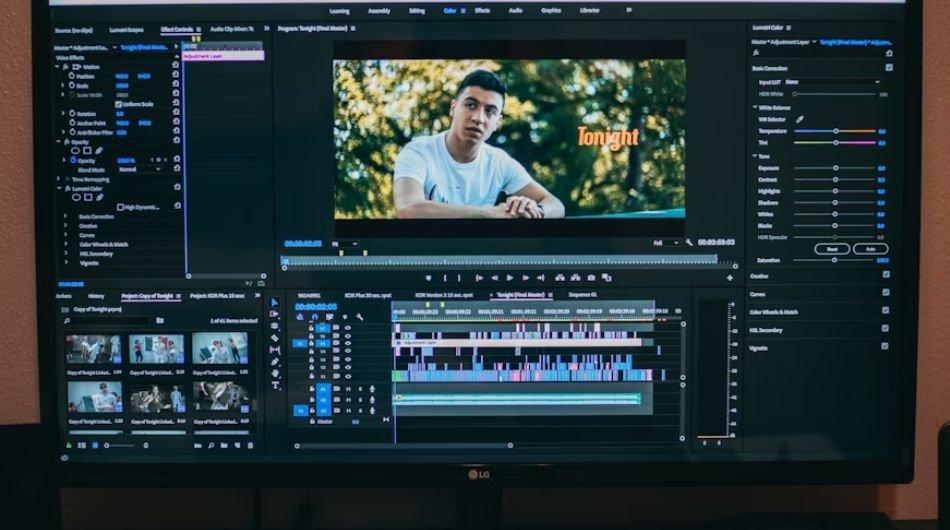
The evolution of video technology has always been driven by a simple goal: capturing reality with greater fidelity. From the early days of HD to today’s ultra-high-definition formats, each leap in resolution has expanded what filmmakers and creators can achieve.
Now, with 4K firmly established and 8K pushing boundaries, the conversation is no longer just about sharper images; it’s about how the entire ecosystem of video editing, storage, and storytelling adapts to these massive formats.
This article explores how video editing technology is keeping pace with 4K, 8K, and even future resolutions and what it means for creators.
Understanding the Resolution Ladder: 2K to 8K
Resolution refers to the number of pixels in an image. More pixels mean more detail, but also more data to process.
- 2K (2048 × 1080): ~2 million pixels
- 4K (3840 × 2160): ~8.3 million pixels
- 8K (7680 × 4320): ~33.2 million pixels
4K: The Modern Standard
4K has become the baseline for professional video production. It strikes a balance between quality and practicality:
- Crisp, detailed visuals suitable for large screens
- Improved color depth and dynamic range
- Manageable file sizes compared to 8K
- Modern editing software handles 4K relatively smoothly, provided you have a capable GPU, sufficient RAM, and fast storage. Standards like HDMI 2.0 and
- DisplayPort 1.4 ensures seamless playback and monitoring.
ensures
8K: A New Frontier in Detail
8K represents a significant leap forward. With over 33 million pixels per frame, it delivers extraordinary clarity and realism.
- Unmatched detail: Every texture, shadow, and nuance becomes visible
- Enhanced realism: Greater depth and immersion
- Improved color and dynamic range: More lifelike visuals
- Post-production flexibility: Crop, stabilize, and reframe without losing quality
The Challenges of Editing Ultra-High Resolution
While 8K is visually stunning, it introduces significant technical hurdles.
1. Massive Data Requirements
- High-speed memory cards (e.g., CFexpress Type A/B)
- Large-capacity SSDs or RAID systems (often 50TB+)
- Robust backup strategies
2. Processing Power
- High-end GPUs
- Powerful CPUs
- Hardware accelerators (e.g., dedicated video processing cards)
- Even professional systems can struggle with real-time playback, especially when effects are added.
3. Workflow Complexity
- Proxy editing: Using lower-resolution versions for smoother editing
- Optimized media: Pre-processed files for better performance
- Advanced file management: Organizing massive datasets
4. Equipment Demands
- Editing Software and Technology Adaptation
- Modern editing platforms have evolved to handle ultra-high-resolution content:
- Non-linear editors now support 8K timelines
- GPU acceleration enables faster rendering
- AI-driven tools assist in scaling, noise reduction, and color grading
Balancing Quality and Accessibility
One of the biggest challenges with 8K is that most audiences still consume content on 4K or lower-resolution screens.
A practical approach is the following:
- Shoot in 8K for flexibility and future-proofing
- Deliver in 4K or lower for accessibility
- Use 8K selectively for high-detail scenes
This strategy balances cutting-edge quality with real-world constraints like bandwidth and device compatibility.
Choosing the Right Resolution
Resolution should align with your goals:
- Social media / mobile content: 4K is often more than enough
- Professional filmmaking: 4K or selective 8K
- High-end production / large displays: 8K becomes valuable
Bigger isn’t always better. The right choice depends on your audience, platform, and budget.
Ultimately, resolution is just one part of the equation. Storytelling, composition, and creativity remain at the heart of compelling video. As technology continues to evolve, the real challenge for creators isn’t just keeping up; it’s knowing when and how to use these tools effectively.