




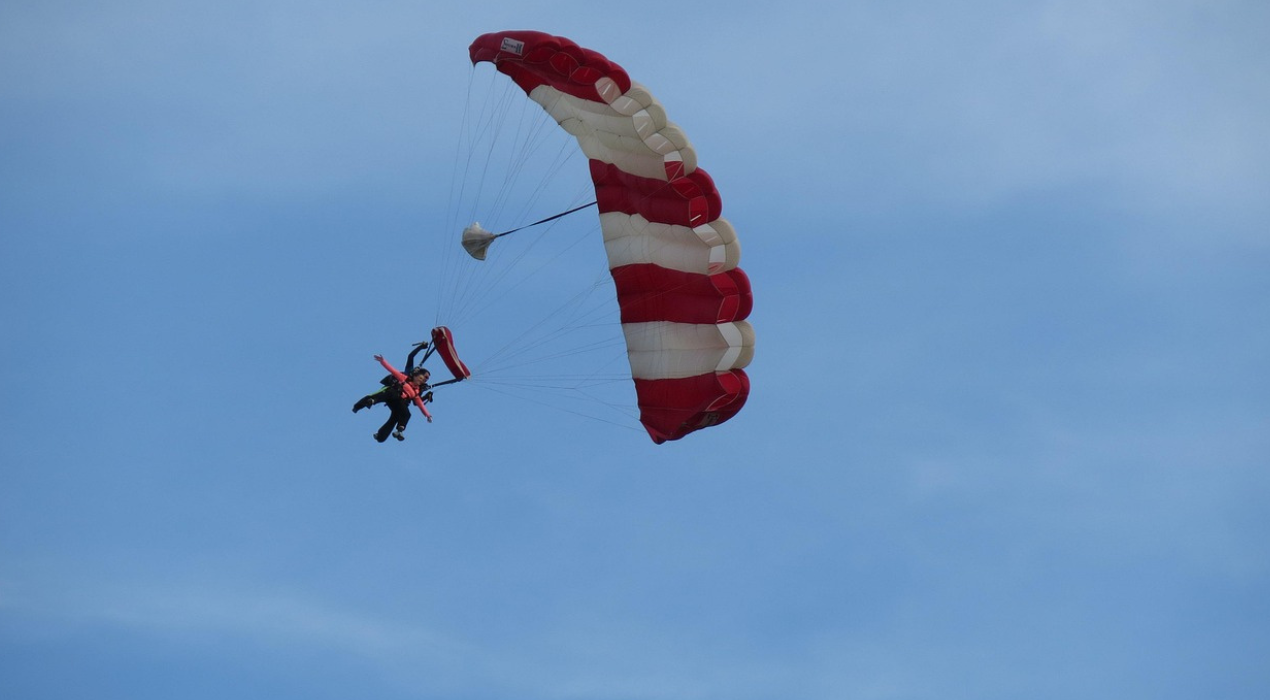
Skydiving is one of the few experiences that makes your heart race like it does. The thought of stepping out of an airplane thousands of feet above the ground sounds both terrifying and exhilarating — and that’s exactly what makes it one of the most unforgettable experiences of a lifetime.
Whether you’re chasing an adrenaline rush, ticking off a bucket-list dream, or simply curious about what it feels like to fly, your first skydive will be a mix of fear, thrill, and freedom.
But before you take that leap, there are some important things you should know — from safety facts to mental preparation, gear, and what really happens on jump day. This comprehensive guide covers everything you need to know before going skydiving for the first time.
1. It’s Much Safer Than You Think
Let’s start with the big question: Is skydiving safe?
Despite the fact that skydiving is far safer than most people believe, statistics demonstrate that it is a common fear. According to the U.S. Parachute Association (USPA), there were about 0.39 fatalities per 100,000 jumps in recent years — that’s roughly one fatality in 250,000 jumps. To put that into perspective, you’re more likely to get injured driving to the drop zone than during the jump itself.
Modern equipment, strict training protocols, and automated safety systems make skydiving remarkably secure. Every parachute system includes: a main parachute, such as yours A reserve parachute (backup, packed by a certified rigger)
An Automatic Activation Device (AAD) — a computer that automatically deploys your reserve parachute if you don’t open it in time. So while it may feel risky, statistically and technologically, it’s one of the safest extreme sports around.
2. Choose a Certified Drop Zone
Your experience — and safety — depend heavily on where you go skydiving. Always select a drop zone in the United States that has been certified by the USPA or an equivalent accredited center in your nation.
Before you book, make sure:
- Reviews and ratings from past jumpers.
- Certification and years of experience.
- Equipment maintenance standards.
Whether tandem masters licensed by the USPA instruct A good drop zone will provide clear communication, a detailed briefing, and a welcoming atmosphere for first-timers. Don’t hesitate to ask questions about their safety record — reputable centers are transparent and happy to share details.
3. Understand the Different Types of Jumps
The following are some of the first-time skydiving experiences:
Tandem Jump (Most Common for Beginners)
- You’re securely harnessed to a professional instructor.
- They are in charge of the parachute landing, freefall, and jump.
- Minimal training (15–30 minutes).
- Ideal for first-timers and thrill seekers.
Static Line
- Used in military training and some solo programs.
- Parachute automatically deploys as you exit the plane.
- Requires more ground training (4–6 hours).
Accelerated Freefall (AFF)
- For those planning to learn skydiving as a sport.
- You jump solo (with instructors holding you mid-air).
- Extensive preparation prior to their first jump.
For your first time, a tandem jump is the safest and most straightforward way to experience skydiving.
4. Know the Basic Requirements
Before you jump, most drop zones require that you meet a few basic conditions:
- Age: Minimum 18 years old (in most countries).
- Weight Limit: Typically between 220–240 lbs (100–110 kg), though it can vary.
- Health: You should be in general good health with no serious heart, back, or respiratory issues.
- No Drugs or Alcohol: Don’t drink alcohol for 24 hours before jumping because you’ll need to keep your blood pressure in a stable range.
If you have any medical concerns (like asthma, diabetes, or joint problems), consult your doctor before booking.
5. Mental Preparation is Key
Even the bravest adventurers feel nerves before their first jump — and that’s completely normal!
Here’s how to prepare mentally:
- Accept the fear: The adrenaline is part of the experience.
- Trust your instructor: They’ve done thousands of jumps — and you’re in their capable hands.
- Focus on the moment: The scariest part is the anticipation. Once you’re in freefall, it’s pure exhilaration.
- Don’t overthink it:The experience happens fast — enjoy every second.
- Pro tip: watching first-time jump videos can help demystify what to expect and calm your nerves.
6. What to Wear and Bring
Comfort and mobility are key for skydiving. Here’s a simple checklist:
Wear:
- Comfortable, athletic clothes (like leggings, shorts, or track pants)
- A fitted long-sleeve or T-shirt.
- Sneakers or athletic shoes that lace up securely.
Avoid:
- Sandals, heels, or flip-flops.
- Loose jewelry or accessories.
- Bulky coats or scarves.
- Anything that might flap around mid-air.
You won’t need to bring much because many drop zones provide jumpsuits, goggles, helmets, gloves, and other gear.
7. What Actually Happens on Jump Day
Let’s walk through the process step-by-step:
- Check-in and check-in: You’ll fill out a waiver form, get weighed, and meet your instructor.
- Training Briefing: A short training session covers body positioning, communication signals, and what to expect during freefall and landing.
- Gearing Up: You’ll be fitted with a harness and safety gear. The instructor double-checks everything for secure attachment.
- The Flight Up:The plane travels about 10,000–15,000 feet in the air. This is when nerves kick in, but the views are stunning — ocean, mountains, or countryside stretching endlessly below.
- The Jump:When the door opens, wind rushes in, and your heart pounds. It’s time to go, before you can overthink it! You and your instructor leap into the open sky at around 120 mph (190 km/h).
- Freefall: Lasts for about 40–60 seconds, and it’s pure adrenaline. You’ll feel like you’re floating rather than falling — a surprising sensation of freedom and weightlessness.
- Parachute Deployment: Your instructor deploys the parachute around 5,000 feet up, instantly slowing you down. The rest is a peaceful glide lasting 5–7 minutes, offering breathtaking panoramic views.
- Landing:You’ll land smoothly on your feet or seat (guided by your instructor). Most people step away with an uncontrollable grin — and often, a strong urge to do it again!
8. Recovery and Feelings
Following a Jump Expect an adrenaline rush that lasts for hours or even days after landing. You might feel:
- A sense of calm or clarity
- Heightened energy
- An almost meditative happiness
- Hydrate, eat something light, and avoid intense physical activity right after (you’ll be buzzing but slightly drained).
Many first-time jumpers describe the experience as life-changing — not just thrilling, but empowering. It’s a reminder of how capable, brave, and alive you truly are.
9. How Much Does Skydiving Cost?
Prices vary depending on your location, altitude, and whether you book photos/videos. On average:
- $200-$300 tandem jump Video/Photo Package: $80–$150
- AFF Training Course (Solo License): $1,200–$1,800
- Book early and check for seasonal deals or group discounts.
10. Common Myths About Skydiving
Let’s bust a few misconceptions:
Myth: “When you’re in free fall, you can’t breathe.”
Truth: You absolutely can — it’s just a rush of air, not a vacuum.
Myth: “You’ll feel like you’re going to fall.”
Truth: In fact, it feels more like floating in the air or flying.
Myth:“Parachutes don’t always open.”
Truth: Every rig has a backup parachute, and the chances of both failing are astronomically small.
Myth: “It’s only for daredevils.”
Truth: People of all ages (even in their 70s and 80s!) skydive safely every year.
Conclusion: Take the Leap
Skydiving isn’t just about jumping from a plane — it’s about conquering fear, trusting yourself, and experiencing life from an entirely new perspective.
That moment you step into the sky, every worry disappears, replaced by pure freedom and awe. Whether it’s a one-time bucket list adventure or the start of a new hobby, skydiving changes how you see the world — and yourself.
Make the move when you’re ready. The sky is waiting, and you’ll never forget how it feels to fly.