The Indian automotive industry is entering a transformative phase, marking a clear shift from its traditional foundations. For decades, the market was largely driven by affordability, fuel efficiency, and basic functionality. However, this landscape is now rapidly evolving. Today’s consumers are more informed, digitally aware, and value-conscious, leading to a significant change in what they expect from a vehicle.
Modern buyers are no longer satisfied with just a cost-effective mode of transport. They are increasingly prioritising factors such as advanced technology, enhanced safety features, sustainability, and overall driving experience. Rapid technological advancements, like electric mobility and connected car features, are reshaping how vehicles are designed and used. Government regulations and environmental concerns are also playing a crucial role, pushing both manufacturers and consumers toward cleaner and safer mobility solutions.
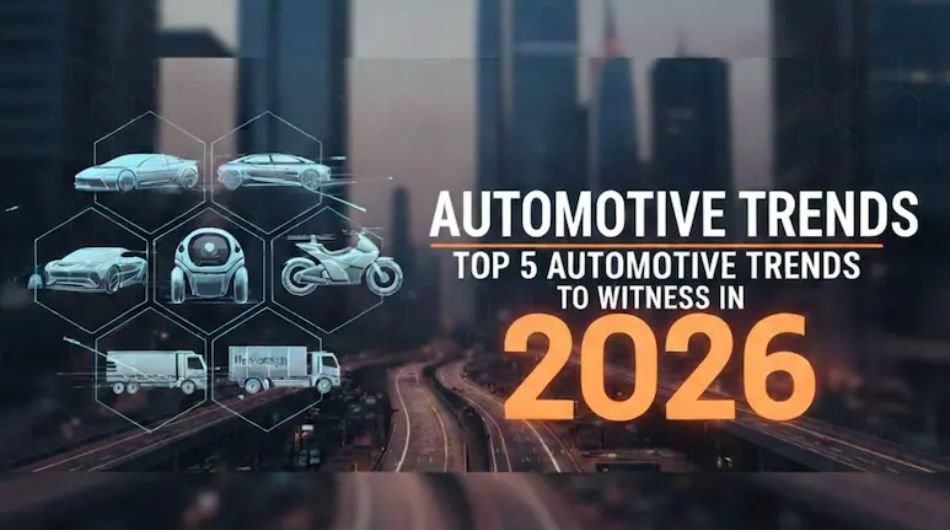
As we move into 2026, these shifts are redefining not only how Indians buy cars but also how they perceive ownership, performance, and long-term value. The result is a more dynamic, innovation-driven automotive market that reflects the changing aspirations of the modern Indian consumer.
Affordable Electric Vehicles Go Mainstream
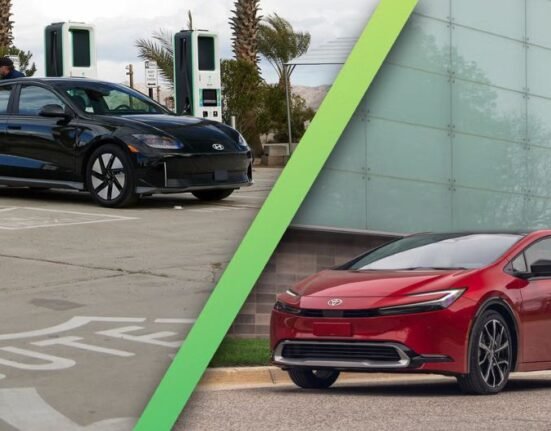
One of the most defining trends of 2026 is the rapid rise of electric vehicles (EVs). What was once a niche segment limited to early adopters is now becoming accessible to the average Indian buyer.
Improved battery technology and the expansion of charging infrastructure are addressing earlier concerns such as range anxiety and charging convenience. This shift reflects growing consumer confidence in electric mobility and marks a significant step toward a greener future.
Mid-Size SUVs Take Center Stage
The Indian car market is dominated by mid-size SUVs. Over the past few years. The appeal of mid-size SUVs lies in their versatility. They offer a commanding road presence, spacious interiors, and a host of premium features while still being practical for urban use.
For many buyers, these vehicles represent a perfect upgrade from hatchbacks or compact cars. Automakers are capitalising on this demand by launching feature-rich models that cater to both comfort and performance, ensuring that SUVs remain at the forefront of consumer preference.
Bio-Fuels Gain Momentum as a Sustainable Alternative
While electric mobility is gaining traction, it is not the only path toward sustainability. Biofuels are emerging as an important complementary solution in India’s transition to cleaner energy. Ethanol-blended fuels, such as E20, are already becoming more common, with higher blends expected in the near future.
Biofuels provide a practical and cost-effective way to reduce emissions without requiring a complete shift away from internal combustion engines. This is especially beneficial in regions where EV infrastructure is still developing. In 2026, biofuels will act as a crucial bridge between traditional and electric mobility.
Advanced Safety Features Become Standard
Safety is becoming a fundamental expectation. Indian consumers are increasingly aware of the importance of safety, and this awareness is driving demand for advanced technologies. Features such as adaptive cruise control, lane-keeping assist, and automatic emergency braking are expected to become more common across various segments. These advanced driver assistance systems (ADAS), once limited to premium vehicles, are now making their way into more affordable models.
The End of the “Cheap Car” Era
One of the most significant changes in the Indian automotive market is the gradual decline of the “cheap car” concept. Stricter safety regulations, rising production costs, and evolving customer expectations are redefining what entry-level mobility means. Today’s buyers are no longer willing to compromise on essentials such as airbags, electronic stability control, and overall build quality.
As a result, entry-level cars are becoming more feature-rich and better equipped. Instead of focusing solely on the lowest possible price, manufacturers are emphasising value, offering vehicles that combine affordability with safety, comfort, and modern features.
Changing Consumer Mindset
Indian car buyers are more informed than ever before, thanks to easy access to online research, reviews, and comparisons. They are also more conscious of long-term ownership costs, including maintenance, fuel efficiency, and resale value.
This evolving mindset is pushing automakers to innovate and deliver products that meet higher expectations. Whether it’s electric mobility, advanced safety features, or improved design, the focus is now on delivering a complete ownership experience rather than just a vehicle.
The Indian car market in 2026 is set to look very different from what it was just a few years ago. Electric vehicles are becoming mainstream, SUVs are dominating sales, and biofuels are supporting the transition to cleaner energy. At the same time, safety and technology are no longer optional but essential.