Travel, for the longest time, has been defined by how many cities you could cover, how many landmarks you could tick off, and how efficiently you could fit it all into a limited number of days. Packed itineraries, early mornings, and tightly scheduled days became the norm, often leaving travellers returning home more exhausted than refreshed.
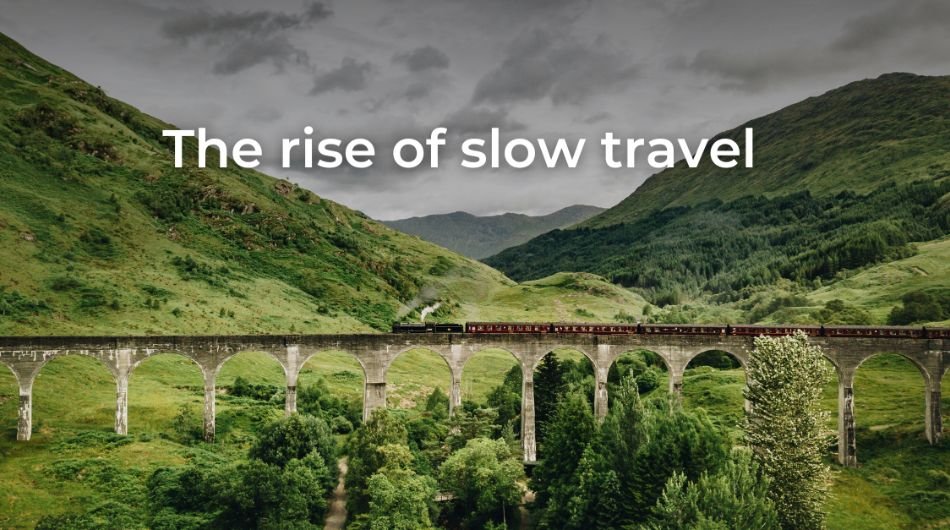
A quieter, more intentional movement is gaining ground: slow travel. Rather than racing from one destination to another, travellers are choosing to stay longer, explore deeper, and experience places at a more natural pace. It’s a shift away from treating destinations like checklists and toward engaging with them more meaningfully.
Slow travel is about experiencing more of what truly matters. It allows space for spontaneity, for routine, and for the kind of moments that can’t be planned in advance. Whether it’s returning to the same neighbourhood café or simply spending an afternoon without an agenda, this approach transforms travel into something more personal, immersive, and ultimately more fulfilling.
When Travel Becomes Too Fast
Most trips follow a familiar pattern: early mornings, back-to-back plans, and a constant awareness of time. Even while standing in front of something remarkable, part of your mind is already moving ahead, checking maps, planning the next stop, and worrying about what might be missed.
This pace is efficient, but it’s also exhausting. Slow travel challenges this idea entirely. Instead of rushing through destinations, it invites you to stay longer, move slower, and allow experiences to unfold naturally.
What Slow Travel Really Means
At its core, slow travel is a mindset rather than a timeframe. It’s about choosing depth over distance, spending meaningful time in one place instead of skimming through many. Whether it’s a week or a month, the goal is immersion.
You begin to notice what usually goes unseen: the rhythm of daily life, the character of neighbourhoods, the subtle shifts in a place from morning to evening. A café stops being a one-time discovery and starts to feel familiar. Streets become recognisable, even comforting.
The Shift from Checklist to Connection
Traditional travel often revolves around checklists of must-see landmarks, top-rated restaurants, and iconic photo spots. While these have their place, they can create pressure to “optimise” every moment.
Slow travel removes that pressure.
Instead of trying to see everything, you focus on what genuinely interests you. You might revisit the same park multiple times, linger over a long meal, or spend an afternoon doing nothing in particular.
And in that space, something shifts. The experience becomes less about consumption and more about connection.
Why More Travellers Are Slowing Down
Several factors are driving the rise of slow travel –
- Remote work has made longer stays possible, allowing people to blend travel with everyday life. At the same time, there’s growing awareness of burnout from overly structured travel itself.
- Fast-paced trips demand constant decisions: where to go, what to eat, how to get there. Over time, this mental load takes away from the joy of the experience.
- Slowing down reduces that friction. Days become simpler. Decisions become fewer. Travel starts to feel restorative rather than draining.
- Living Like a Local, Even Temporarily One of the most rewarding aspects of slow travel is the sense of belonging it creates.
This shift opens the door to more authentic experiences. You might attend a local event instead of a tourist attraction or discover a hidden gem that isn’t listed in any guidebook.
There is room for spontaneity for conversations, recommendations, and unexpected discoveries. You don’t feel the need to “cover everything”, because the goal isn’t coverage.
Financial, Practical, and Sustainable Benefits
Slow travel naturally leads to smarter spending and a lighter footprint. Longer stays often mean better accommodation rates, while daily expenses shift toward local markets, home-cooked meals, and familiar neighbourhood spots.
It’s not about spending less, but spending more thoughtfully, creating a more balanced travel experience. At the same time, fewer flights and less movement reduce environmental impact, while your spending supports local businesses more directly. The result is a way of travelling that feels both rewarding and responsible.