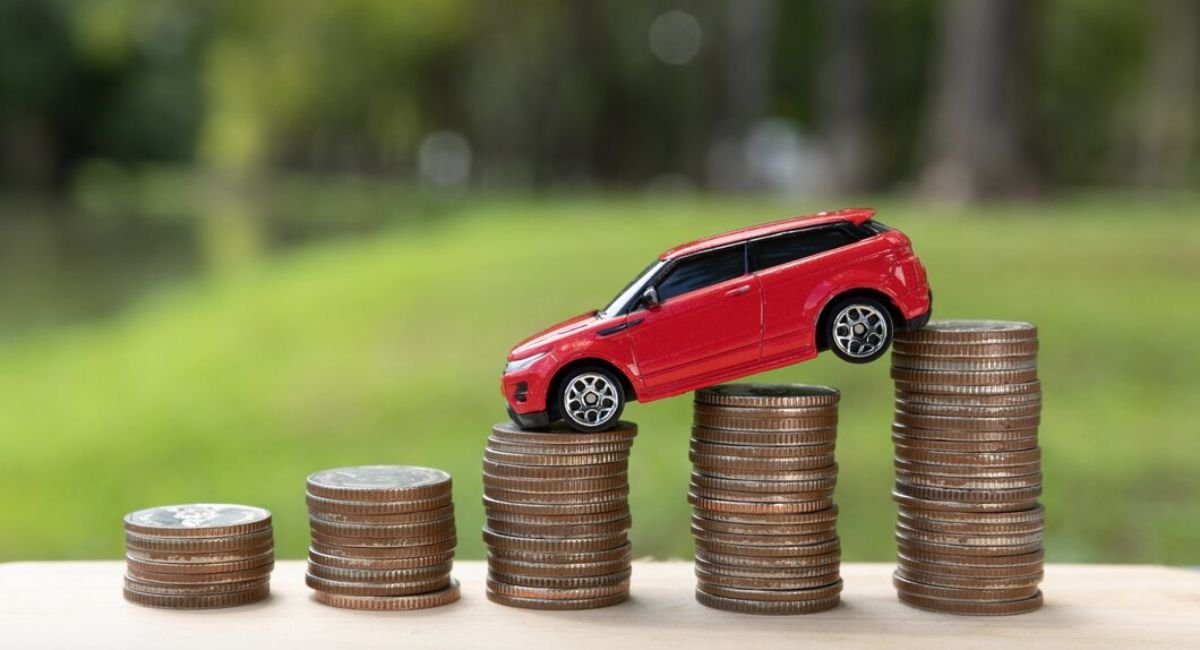
At first glance, “affordable cars” in 2026 look like a win for middle-class buyers. Entry-level hatchbacks, compact SUVs, and even electric vehicles (EVs) are marketed with attractive price tags, low EMIs, and flashy mileage claims. But the reality of car ownership is more complex. The true cost is not just what you pay at the showroom; it is what you continue paying for years in fuel, insurance, maintenance, depreciation, and hidden expenses.
In 2026, buying a “cheap car” can sometimes be financially misleading. The real question is not “Can I afford the car?” but “Can I afford the total cost of owning it for 5–10 years?”
1. The Illusion of a Low Sticker Price
Manufacturers aggressively promote entry-level models in India and other emerging markets. Cars like hatchbacks and compact SUVs are often advertised in the ₹5–10 lakh range.
But that price is only the beginning. According to ownership data, a typical car buyer ends up spending far more over time than the purchase price itself due to recurring costs like fuel, insurance, EMI interest, and servicing.
2. Fuel Costs: The Silent Budget Killer
In India, petrol cars commonly deliver an effective running cost of ₹5–₹8 per kilometre depending on mileage and fuel prices. Over five years, fuel alone can exceed ₹3–5 lakh. Even CNG reduces this burden, but fuel remains a dominant long-term expense for internal combustion engine (ICE) cars.
3. EMI: The Monthly Pressure You Can’t Ignore
Most buyers in 2026 do not pay full upfront. They finance cars through loans, which creates a long-term EMI burden.
For a mid-range ₹10 lakh car:
- EMI: ~₹16,000–₹17,500/month
- Effective ownership cost (with fuel + insurance): ~₹29,000/month or more
4. Maintenance: Cheap Cars Aren’t Always Cheap to Keep
Affordable cars are often promoted as “low maintenance”, but this depends heavily on brand, parts availability, and usage.
In India, most budget hatchbacks still cost the following:
- ₹18,000 to ₹55,000 per year in maintenance and servicing
- Over time, wear-and-tear items like tyres, brakes, suspension, and batteries add up significantly.
The biggest misconception is that low-cost cars stay low-cost. In reality, maintenance cost grows steadily after the third year.
5. The Hidden Giant: Depreciation
Depreciation is often the largest cost of all.
By 2026 estimates:
- Hatchbacks lose ~50% value in 5 years
- Sedans lose ~55% in 5 years
- SUVs and luxury cars lose even more
Depreciation is “invisible money loss” that many buyers ignore until resale.
6. Insurance, Taxes, and “Invisible” Costs
Beyond obvious expenses, there are smaller recurring costs that accumulate:
Insurance premiums (₹15,000–₹25,000/year for mid-range cars)
- Parking fees in urban area
- Toll charges for highway travel
- Unexpected repairs and breakdowns
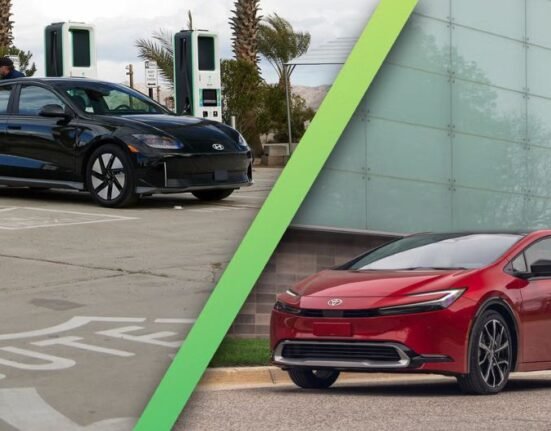
7. The EV Factor: Cheap to Run, Expensive to Own?
Electric vehicles are often seen as the future of “affordable mobility”. And in many ways, they are:
- The charging cost is much lower than petrol
- Maintenance is reduced due to fewer moving parts
- Running cost can be 30–70% lower than ICE vehicles
EV ownership still faces the following:
- Higher upfront cost (despite subsidies)
- Charging infrastructure gaps
- Uncertain long-term battery replacement costs
- Faster depreciation in some models and markets
8. Why “Affordable” Cars Are Getting More Expensive in Reality
Several structural trends in 2026 are pushing ownership costs higher:
1. Stricter safety and emission norms
Cars now include more electronics, sensors, and safety systems, raising repair costs.
2. Rising fuel prices
Fuel inflation directly increases running costs.
3. Complex technology
Even budget cars now include touchscreen systems, ADAS features, and connected tech. More features = more repair costs.
4. Insurance inflation
Advanced parts and higher repair bills are increasing insurance premiums.
9. The Real Cost Breakdown (5-Year View)
For a typical “affordable car” in 2026:
- Purchase price: ₹6–10 lakh
- EMI interest + down payment effect: ₹1–2 lakh
- Fuel: ₹3–5 lakh
- Maintenance: ₹1–2.5 lakh
- Insurance & misc: ₹1–1.5 lakh
- Depreciation loss: ₹3–5 lakh
- Total real cost: ₹10–20+ lakh over 5 years
This is often 2x or more than the sticker price.
10. What Smart Buyers Actually Focus On
Instead of chasing the cheapest car, experienced buyers in 2026 focus on the following:
- Total Cost of Ownership (TCO), not just price
- Fuel efficiency vs real-world usage
- Service network availability
- Resale value after 3–5 years
- Reliability record of the brand
- Insurance and spare part cost