Buying a car might seem like a straightforward financial decision, but in reality, it is deeply rooted in psychology. From the moment a buyer begins researching models to the final moment they take a test drive, emotions, perceptions, and social influences quietly shape every step of the process. A car is rarely chosen on specifications alone; it is often selected based on how it makes someone feel, what it represents socially, and how it fits into their identity.
At the same time, logical thinking still plays an important role, as buyers compare prices, features, safety ratings, and long-term costs. The final decision is usually a blend of both emotional and rational thinking. Understanding this balance helps explain not only consumer behaviour but also how automakers and dealerships design marketing strategies that influence what people choose and why they choose it.
Emotion: The Hidden Driver
Car buying is driven by emotion. People choose how a car feels; sports cars suggest excitement, and SUVs offer comfort. Design, colour, and brand all shape identity, turning cars into symbols of lifestyle rather than just machines.
Social Influence and Identity
Buying decisions are shaped by others. Friends, family, and reviews influence choices through social proof. People often pick cars that match their social group or expected role in life.
Brand Loyalty and Trust
Trust reduces risk. Buyers stick to brands they know and associate with reliability or quality. Over time, this trust becomes emotional, making decisions easier and more confident.
Perceived Value vs Actual Cost
Cost matters, but perceived value matters more. Buyers focus on what a car feels worth based on features, brand, and reliability. Insurance costs and safety ratings also influence affordability and appeal.
Role of Test Drives
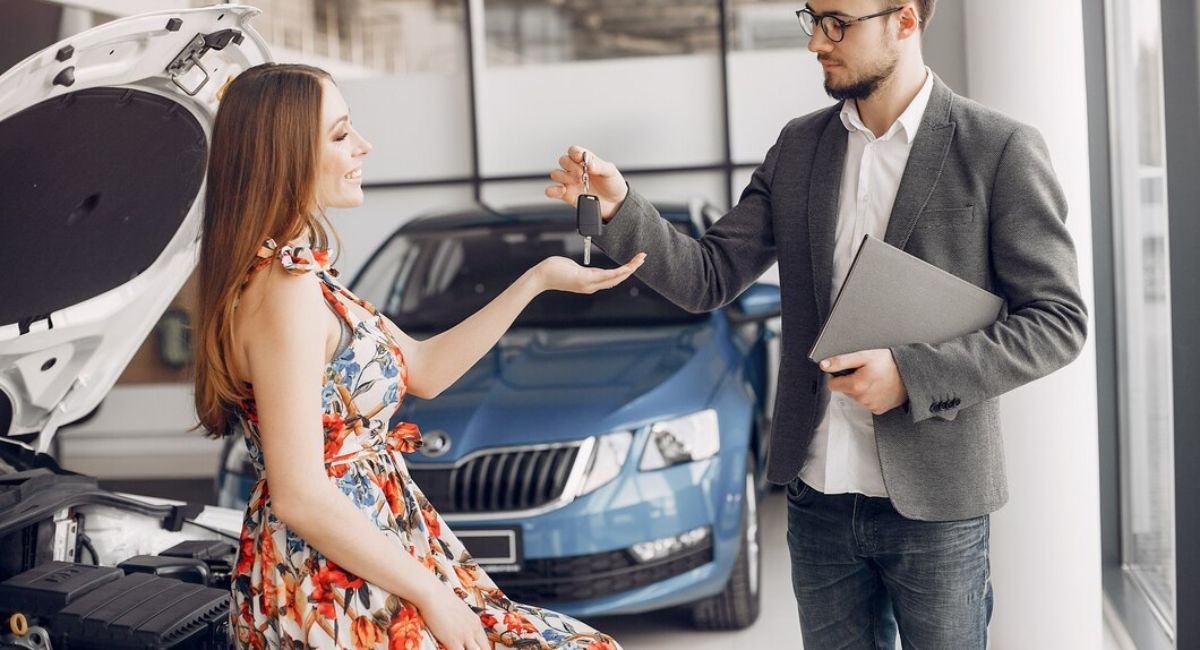
Test drives create emotional connection. First impressions comfort, sound, feel – shape decisions quickly. They help buyers imagine ownership, often turning interest into commitment.
Decision-Making Styles
Buyers differ in approach. Some research deeply and compare details, while others rely on brand trust or recommendations. These styles influence how quickly decisions are made.
Overcoming Decision Paralysis
Too many options can overwhelm buyers. Test drives and clear information reduce confusion, helping people narrow choices and feel more confident.
The Marketing Connection
Marketers use psychology to influence decisions. Emotional ads, personalised experiences, and test drives connect cars to feelings and needs, making purchases feel natural and justified.
Logical and Psychological Decision-Making
Car buying combines logic and psychology. Logically, buyers compare price, features, safety, fuel efficiency, and long-term costs like maintenance and insurance.
Psychologically, emotions, identity, and social influence shape what feels like the right choice. Most decisions are a balance of both; buyers often make an emotional choice first and then use logic to justify it.
Cognitive biases also play a role. For example, people tend to overvalue familiar brands and underweight long-term costs when something feels “right” in the moment. This is why test drives and branding are so powerful. They influence perception before rational analysis fully kicks in.
Car buying is far more than a simple transaction; it is a blend of emotion, logic, and social influence. From the excitement of a test drive to the reassurance of brand trust, every step in the process is shaped by psychological factors.
By recognising these influences, buyers can make more informed decisions, balancing emotion with practicality. At the same time, understanding this psychology allows the automotive industry to create better experiences that resonate with what people truly want, not just in a car but also in how that car makes them feel.