




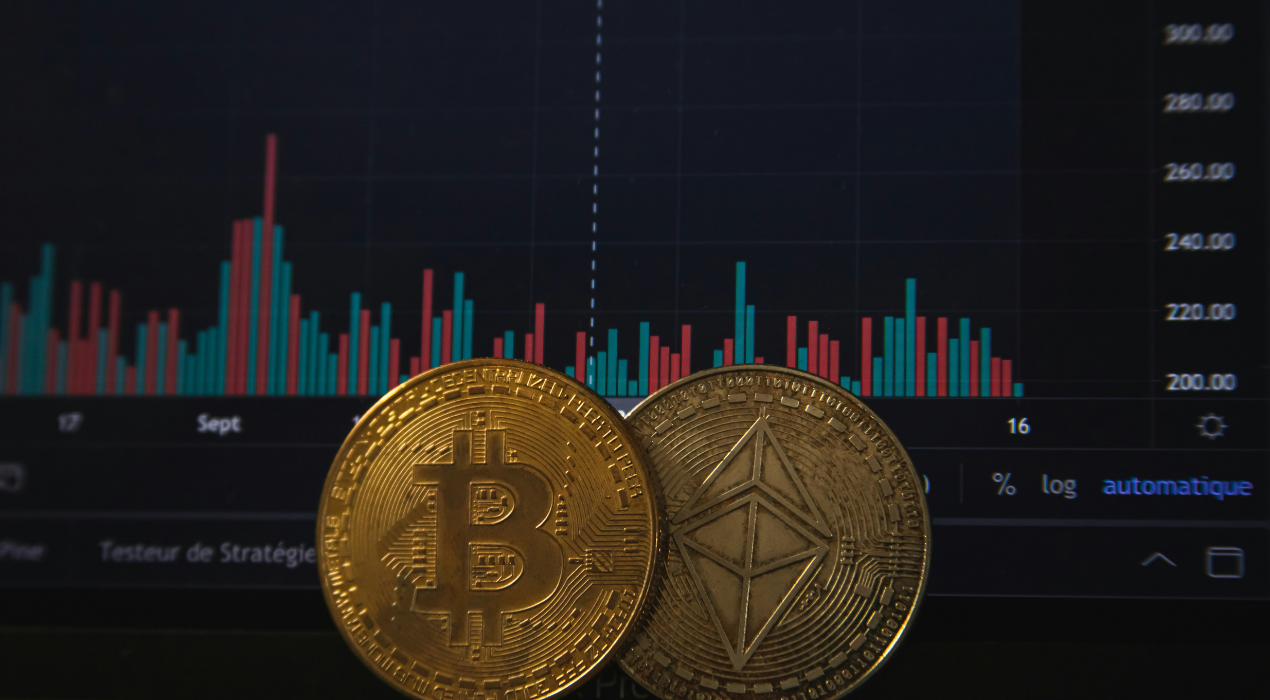
Trade dates back as far as humankind itself. Long before coins, currencies, and corporations, people exchanged what they had for what they needed — a loaf of bread for a jar of honey, or a tool for a piece of fabric. This straightforward act of exchange evolved into the intricate web of economic and cultural connections that unite our world today over the course of millennia. It is not just about economics to know where trade came from; it is also about knowing how civilization developed itself.
Barter and the Early Stages of Trade
The earliest form of trade was barter — the direct exchange of goods and services without using money. Stone tools, food, and raw materials were all commodities that prehistoric humans traded with nearby tribes. Obsidian, a volcanic glass used to make tools, was traded far and wide as early as 9000 BCE, according to archaeological evidence. Trade emerged from necessity and curiosity. Communities with abundant resources, such as salt or animal hides, would exchange them for items they lacked, like grain or pottery. This system was limited — it required a “double coincidence of wants” — but it laid the foundation for all economic activity to come.
The Birth of Currency and Markets
Barter worked on a small scale, but growing societies needed efficiency. As a result, money emerged, first in the form of cowrie shells and then in the form of metal coins. The Lydians, who lived in what is now Turkey, produced the first coins in the world around 600 BCE. Markets became central to city life — bustling centers of trade and social interaction. The agora in Athens was full of philosophers and merchants, and trade supported an empire in Rome. Credit, interest, and standard pricing were first introduced in these early markets, which are still fundamental to modern commerce.
The age of Exploration
The 15th and 16th centuries’ “Age of Exploration” was crucial to the development of trade and commerce. European explorers set out on journeys that ultimately connected the Old and New Worlds, motivated by the search for new trade routes and resources. The development of global trade networks and colonial empires occurred during this time period. The exchange of products among Europe, the Americas, Africa, and Asia increased significantly, resulting in major economic, social, and political transformations.
A key example from this era is the triangular trade system. Europe, Africa, and the Americas were all involved in this system, which involved trading goods and enslaving people. African slaves were taken to the Americas and sold in exchange for European goods. Sugar, tobacco, and cotton were among the raw materials that were purchased with the proceeds from the sale of enslaved individuals and sent back to Europe. This system had deep and often tragic impacts on the regions involved, altering the course of history in lasting ways.
In the 18th and 19th centuries, the Industrial Revolution brought even more changes to trade and commerce. Mass production of goods was made possible by technological and manufacturing advancements, which increased trade quantity and speed. The development of railroads and steamships revolutionized transportation, making it easier and less expensive to move goods over long distances. Capitalist economies and modern financial institutions that supported international trade were also established during this time period.
Globalization and Medieval Expansion
Trade between Europe, Asia, and Africa was stronger than ever before during the Middle Ages. Under the Mongol Empire, maritime trade expanded across the Indian Ocean, and the Silk Road flourished. Venice and Genoa, two wealthy city-states, developed into trade powerhouses in the Mediterranean. In the 15th century, the Age of Discovery led to globalization of trade. Explorers like Vasco da Gama and Christopher Columbus linked continents, while traders from China, such as Zheng He, sailed vast distances, connecting East Asia to Africa and the Middle East.
The Rise of Modern Trade and Colonialism
With exploration came colonialism — and a new, often brutal, global economy. By trading goods like sugar, tobacco, and cotton across the Atlantic, European powers were able to extract resources from their colonies. The Triangular Trade system between Europe, Africa, and the Americas was both profitable and devastating, fueling slavery and shaping modern economic disparities.
The Industrial Revolution in the 18th century accelerated this transformation. A new era of capitalist global trade was marked by the unprecedented scale of goods produced by factories, railroads, and mechanization.
Modern Globalization and Trade
Trade became the foundation of global cooperation during the 20th century. Frameworks for fairer and more open trade were established by organizations like the World Bank and the World Trade Organization (WTO). Technology — from shipping containers to the internet — made global commerce faster and more efficient.
Today, trade extends beyond physical goods to digital assets and services. Global supply chains extend from Asian factories to American consumers, allowing businesses to sell internationally with a single click. Yet, new challenges have emerged — sustainability, inequality, and data sovereignty among them.
Conclusion
The history of trade reflects human progress, from ancient bartering in prehistoric villages to algorithm-driven trading in the digital age. It’s a story about ambition, connection, and innovation—how strangers became partners and global markets emerged. Our capacity to strike a balance between progress and fairness, technology and ethics, and globalization and sustainability will determine the future of trade.