Introduction
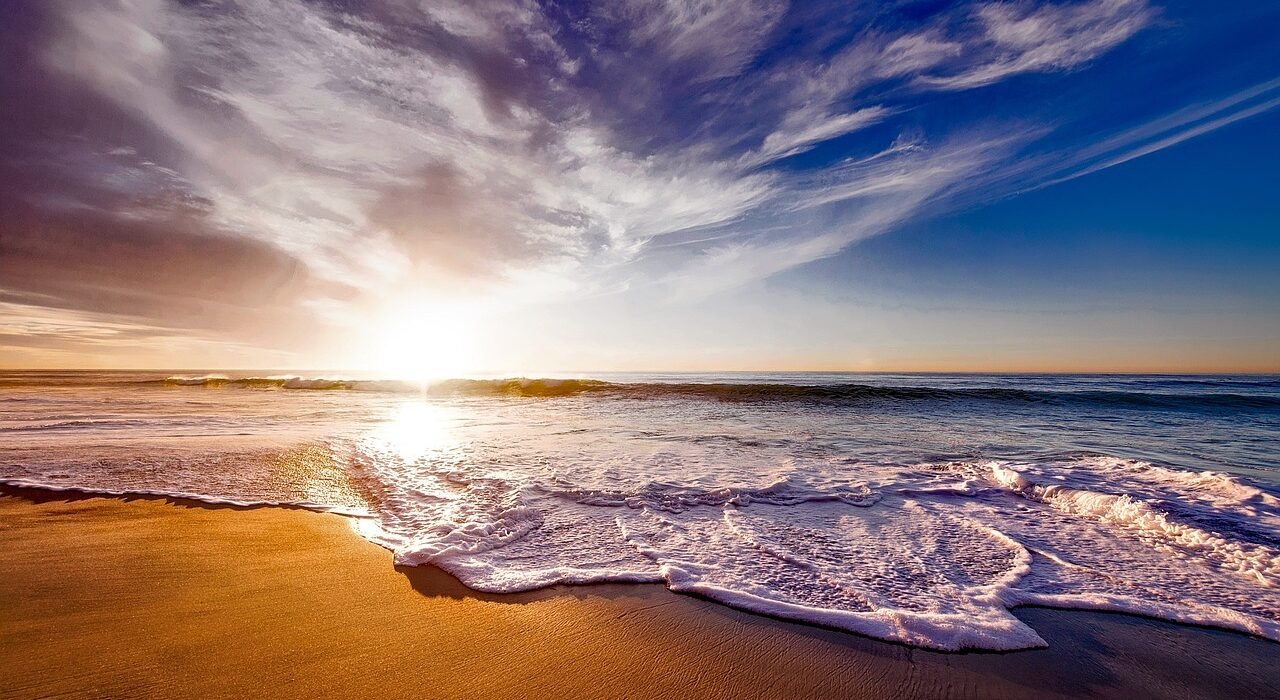
Beaches are regarded as the best places to go on vacation because they provide opportunities for a wide range of activities, stress relief, and connection with nature. The water and sand provide a backdrop for both active fun and peaceful leisure, and the casual atmosphere, ocean sounds, and sun exposure create a one-of-a-kind atmosphere for unwinding.
Three Reasons Why Beaches are the best spots
Is there anything more relaxing than lounging on the beach with a drink in hand? We all long for vacations like this one. A vacation at the beach has more beautiful experiences than anything else. The impressive visuals recharge us and give us the sheer pleasure to unwind.
1. Soothes the Mind
Did you know the azure blue water of the ocean can rejuvenate the mind? It is referred to by psychologists as the “blue space.” The tranquil water of the vast ocean allows visitors to pause for a moment, take a deep breath and inhale the fresh air rich in sea salt. You could unplug and relax your mind by gazing at the ocean for a long time. In fact, the most effective treatment for daily stress is the magical sensation of the cold ocean water touching one’s feet.
2. Keeps you Happy
Sunlight is a natural anti-depressant that enhances the serotonin levels and elevates the mood. This is the reason why people are happier in the warmer months when compared to the gloomy cold season. Direct exposure to the sunlight has a positive effect on an individual’s appetite, sleep as well as stress. Thus, you tend to eat a lot and sleep more on your beach vacation.
3. Good Source of Vitamin D
The “sunshine vitamin,” also known as vitamin D, is a vital nutrient that our bodies require. It is necessary for the immune system to function properly and for the development of healthy bones and teeth. Unfortunately, a very little of this nutrient is absorbed from the food that we eat. However, the good news is that the body produces more vitamin D when it is exposed to sunlight.
Top Ten Beaches to Travel Before 2025
1. Ao Maya, Ko Phi Phi, Krabi, Thailand
Ao Maya is a Thai beach slip that is hidden by limestone cliffs and measures just 15 meters (49 feet) wide by 250 meters (820 feet). However, Danny Boyle, a film director, was drawn to it, and he used its ombré turquoise waters and fine white sand as the setting for Leonardo DiCaprio’s 2000 film The Beach. Unfortunately, the beach was closed for more than four years to allow the ecosystem to recover as a result of the excessive tourism and pollution brought on by this popularity. It is now open with new rules that will keep Ao Maya’s beauty intact, like a cap on visitors and improvements to the infrastructure.
How to get there: From neighbouring Ko Phi-Phi Don, take an early-morning boat tour here (20 minutes each way) to avoid the busiest times. The island can also be reached by speedboat from Phuket and Krabi.
2. Mnemba Island, Zanzibar, Tanzania
Mnemba Island is the ideal place to unwind after a safari on Tanzania’s mainland that was packed with action. Only accessible to guests of the andBeyond resort, which sleeps 23, this gorgeous white-sand beach often feels like your personal coastal paradise. Indulge in long walks and enjoy some of the best scuba diving that you’ll find on the entire continent.
How to Get There: Resort stays include transfers from either Stone Town or Abeid Amani Karume International Airport on Unguja Island, Zanzibar. It’s then a short boat ride to Mnemba Island.
3. Radhanagar, Swaraj Dweep, Andaman Islands, India
This dreamy spot with the softest sand is on India’s remote and beautiful Andaman Islands. It is surrounded by a bright green forest full of ancient species that aren’t found anywhere else. Come for some of the finest diving in India, look out for an elephant, and gather with the locals who spend their evenings chatting as the setting sun casts blazing coral hues across the sky.
How to get there: Getting to the remote Andaman Islands, which are almost 1400 kilometres (870 miles) east of India, is part of the adventure. Fly into Port Blair (the small regional capital on South Andaman), then catch a two-hour ferry to Swaraj Dweep. On the northwest coast of the island is Radhanagar, where eco-luxe resorts are hidden among the trees.
4. Gardner Bay, Galápagos Islands, Ecuador
Gardner Bay might be the most popular of the beaches on Espaola Island, the southernmost of the Galápagos Islands. This white sand beach, which extends for more than 2 kilometers (1.2 miles), is a favorite among local sea lions and tourists seeking optimal rest and relaxation. Yet for those wanting more adventure, Gardner Bay is a great launchpad for swimming, snorkeling and kayaking. Prepare to encounter some sea turtles, marine iguanas, plenty of colorful tropical fish and maybe even a white-tipped reef shark. In addition to the well-known sea lions, you can see Hood mockingbirds, Galapagos hawks, and lava lizards on land.
How to get there: Gardner Bay can only be reached by boat, to put it simply. You have the option of taking a tour that starts on San Cristobal Island or taking a cruise that lasts several days and includes a stop on Espaola.
5. Stanhope Beach, Prince Edward Island National Park, PEI, Canada
Stanhope Beach at Prince Edward Island National Park has some of Canada’s best beaches. Glistening wetlands meet the north coast of the Atlantic, with 40km (25 miles) of beach framed by rolling dunes that provide refuge for the endangered piping plover. Boardwalks connect dunes to the shoreline and float above the golden-red sand, providing stunning views of the coastline. During summer the water is warm enough for swimming, and there’s a popular campsite among the trees just back from Stanhope Main Beach so you can stay for the beautiful sunset and wake up to waves lapping against the shore.
How to get there: Charlottetown, PEI’s provincial capital, is about 20 kilometers (12 miles) north of Stanhope Beach. Charlottetown has flights to Toronto, Montréal, Ottawa, and other Canadian cities. In addition, you can travel to PEI via ferry or road from Nova Scotia or New Brunswick. The national park is open all year, but the beach is only open from the middle of May until the beginning of the fall.
6. Ruby Beach, Olympic National Park, Washington, USA
Ruby Beach in Olympic National Park, two miles south of the Hoh River and bordered by a rainforest, is an excellent starting point for exploring Washington State and the Pacific Northwest. It looks like waters have lashed wildly against the shoreline here until trees have toppled; in the ocean, sea stacks have a swirling froth crashing at their feet.
How to get there: Ruby Beach is on the southwestern coast of the Olympic Peninsula and borders Highway 101, which loops around the peninsula and the national park. The beach is 176 miles from Seattle-Tacoma International Airport.
7. Keem Bay Beach, Keel, County Mayo, Ireland
Keem Bay Beach is one of Ireland’s most beautiful, secluded bays, and it is located at the western end of County Mayo’s Achill Island, 8 kilometers (4.9 miles) from Keel village. The verdant green hillsides spill down to a deep-set horseshoe-shaped bay, where a pale-blonde beach sits framed by the Croaghaun Cliffs and the swell of the wild Atlantic.
How to get there: Keem Bay is accessible along western Achill Island’s snaking R319 road. The nearest airport is Ireland West Airport Knock, 95km (59 miles) east of Achill Island – a 1½-hour drive.
8. Dueodde, Nexø, Bornholm, Denmark
The wild Baltic Sea surrounds Denmark’s sunniest island, Bornholm. Head to Dueodde on the southern tip to see why it’s famed for its crisp natural light. The soft jade and cerulean waves shimmer as the sun hits the pearl-colored sands. Wading through shallow water here feels like stepping into a painting. In the evening, sunsets turn the sky pink, orange and yellow.
How to get there: The primary stretch of beach in Dueodde is approximately 200 kilometers (125 miles) east of Copenhagen, 10 kilometers (6.2 miles) south of Nex, at the southern end of Bornholm. Nearby Fyrvejen and Skrokkegard have parking lots. Bornholm Airport has year-round 35-minute flights to and from Copenhagen, as well as seasonal links with Berlin, Aarhus and others. Additionally, there are daily (11.4-hour) ferry services to and from Ystad in Sweden.
9. Pink Beach, Padar Island, Komodo National Park, Indonesia
Pink Beach, which is in Komodo National Park and has rosy, cotton-candy sand, is one of only a few beaches in the world. The sand’s distinctive hue comes from deep-red organ pipe corals that have broken down offshore over centuries and mixed with fine white sand grains to produce a soft, pink shoreline. With an abundance of coral, the beach is a popular snorkeling spot – schools of tropical fish love the reefs, too.
How to get there: Pink Beach, which is located on the northwest shore of Padar Island and is approximately 40 kilometers (25 miles) from Labuan Bajo, can only be reached via a private day live-aboard cruise or a day tour from the fishing town.
10. West Beach, Berneray, Outer Hebrides, Scotland
The beaches of the Outer Hebrides look like they belong somewhere tropical rather than on the North Atlantic shores of Scotland. West Beach is among the most picturesque – its powdery sands meet both jewel-like green-blue waters and machair (grazing land). Despite the fact that these three miles of coast are a draw for both locals and tourists, the wilds of this coastline give the impression of an unspoiled paradise. It’s a real paradise for beachcombers, birdwatchers, and hikers, but only the brave can swim in these chilly waters, which rarely exceed 13°C (55°F).
How to get there: Berneray’s entire west coast is covered by West Beach. To get here, you’ll need to take a ferry from Leverburgh, which is in neighboring Harris, which is the southern half of the main island of the Outer Hebrides. There are flights from Edinburgh, Inverness, Glasgow and Southampton to Stornoway Airport in Lewis (the northern half of the principal island), which also has ferry links. You’ll need to rent a car to fully explore; be sure to book the ferry in advance.