



The human body was thought to be fixed for generations, something we were born with and had to learn to live within. However, those boundaries are currently being subtly altered. Science fiction no longer includes wearable technology that blurs the distinction between biology and equipment, implants that restore movement, and artificial limbs that react to thinking. They exist, are changing, and are becoming more widely available.
This poses an important question: Are we prepared for bodily components that are controlled by both the body and the mind?
Not only in terms of technology, but also in terms of emotion, society, and morality.
What Does “Mind- and Body-Controllable” Mean?
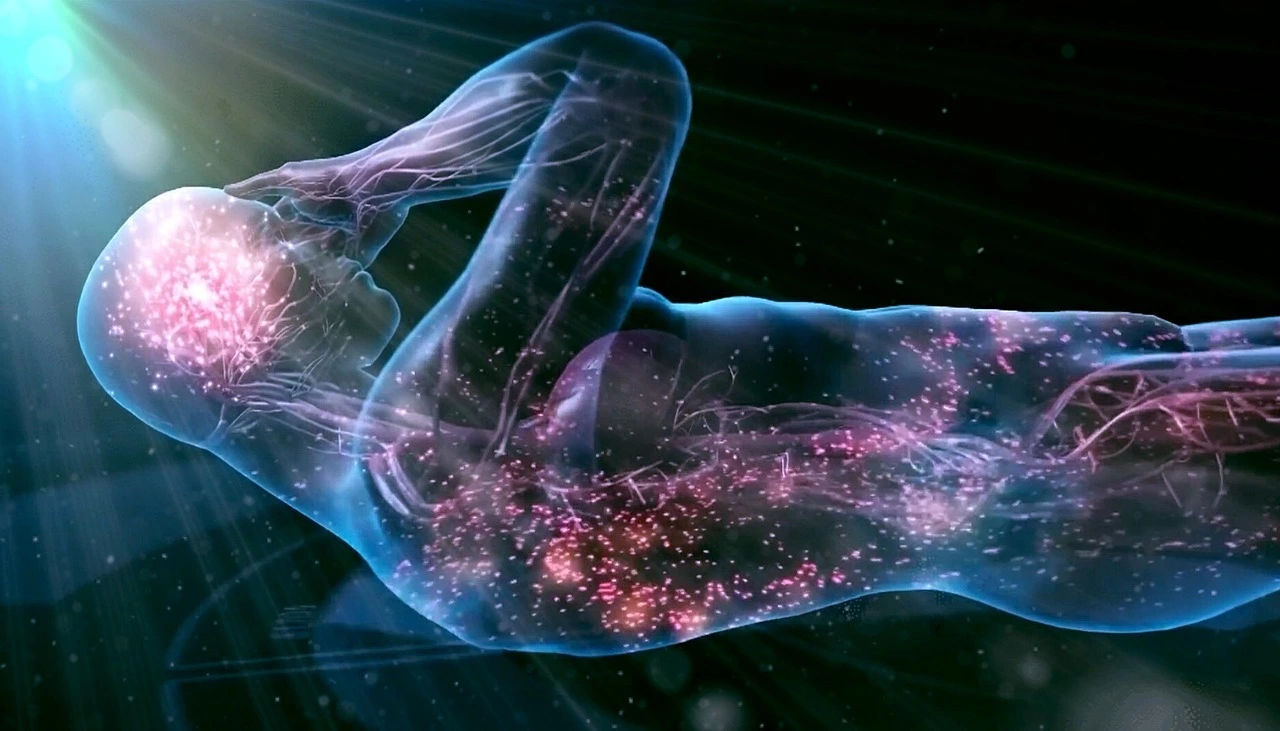
Mind- and body-controllable body parts refer to prosthetics, implants, or augmented body systems that can be controlled by the brain, nervous system, or muscular signals.
In simple terms, these are devices that:
- Respond to neural signals (your thoughts)
- React to muscle movements or impulses
- Integrate with the body to function like natural limbs or organs
Examples include:
- Prosthetic arms that move when a person thinks about grabbing an object
- Brain implants that help paralyzed patients type or communicate
- Exoskeletons that assist people in walking again
- Cochlear implants that allow the deaf to hear
What once belonged to futuristic movies is now entering hospitals, labs, and everyday life.
Where Are We Today?
We are already living in the early stages of this reality.
1. Thought-Controlled Prosthetics
Modern prosthetic limbs can interpret electrical signals from the brain or muscles, allowing users to:
- Open and close hands
- Rotate wrists
- Walk, climb stairs, and even run
Some advanced versions provide sensory feedback, meaning users can feel pressure or texture—something unimaginable just decades ago.
2. Brain-Computer Interfaces (BCIs)
BCIs create a direct communication pathway between the brain and a device.
They are being used to:
- Help paralyzed individuals control cursors, wheelchairs, or robotic limbs
- Restore communication for patients with locked-in syndrome
- Study memory, learning, and brain function
This technology is still developing, but its implications are enormous.
3. Wearable & Assistive Technologies
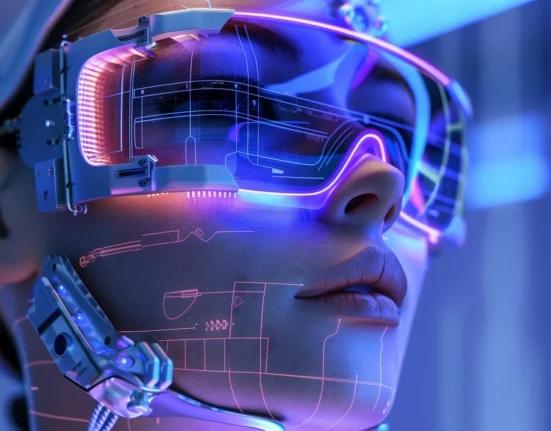
From smart exoskeletons to neural wearables, these tools enhance strength, endurance, and mobility—especially for rehabilitation and aging populations.
The Promise: Why This Technology Matters
The goal of mind- and body-controllable bodily parts is not to make people into machines. Fundamentally, their goals are to increase what is possible and restore what was lost.
Benefits That Can Change Your Life
- Giving amputees and crippled people their independence back
- Enhancing the standard of living for individuals suffering from neurological conditions
- Improving recovery from a stroke or injury
- Assisting senior citizens who face mobility issues
For many, these technologies represent freedom, dignity, and the restoration of fundamental human capacities.
The Big Question: Are We Truly Ready?
Although technology is developing quickly, human preparedness is a different story.
1. Readiness on a psychological level
It can be emotionally challenging to adjust to a bodily part that reacts to thought.
Users could encounter:
- Identity changes (“Is this still my body?”
- Discomfort or emotional attachment to prosthetic limbs
- The difficulty of accepting technology as an integral part of oneself
It’s not simply technical to learn how to operate a device with your mind; it’s really personal.
2. Moral Issues
As technology advances, challenging questions emerge:
- Who is the owner of the information your brain produces?
- Is it possible to hack or abuse neural devices?
- How do we distinguish between enhancement and healing?
Society must determine what is appropriate—and for whom—if body-controllable technology transcends its medical applications to improve performance.
3. Accessibility & Inequality
These technologies are expensive and complex.
There is a real risk that:
- Only wealthy individuals or countries will benefit
- Access will be limited by insurance or geography
- A new divide will emerge between “augmented” and “non-augmented” humans
Readiness isn’t just about invention—it’s about fair access.
The Fear Factor: Being “Too Artificial” or Losing Control
One prevalent concern is that physical parts controlled by the mind could result in:
- Diminished human independence
- An excessive reliance on machines
- A loss of our “natural” qualities
However, history demonstrates that people have always incorporated devices—such as smartphones, pacemakers, spectacles, and hearing aids—into their bodies. The way those tools relate to our thoughts presently makes a difference.
The issue is not whether technology will progress—it will—but rather how carefully we incorporate it.
Redefining What It Means to Be Human
Body parts that are controlled by the mind and body make us face a more profound reality: Being human has never been static.
Humanity develops by expanding itself, from language acquisition to tool use, from medicine to machines. These technologies are responding to human wants, constraints, and aspirations rather than taking our place.
The true test of preparedness is found in:
- Conscientious innovation
- Robust ethical structures
- Compassion for users
- Open discussions regarding boundaries
Conclusion
We are ready to begin—but not to rush blindly forward.
Mind- and body-controllable body parts are not just inventions; they are mirrors. They reflect how we value human life, dignity, and equality. If we approach them with care, they can become one of humanity’s most compassionate advancements—not a loss of humanity, but an expansion of it.