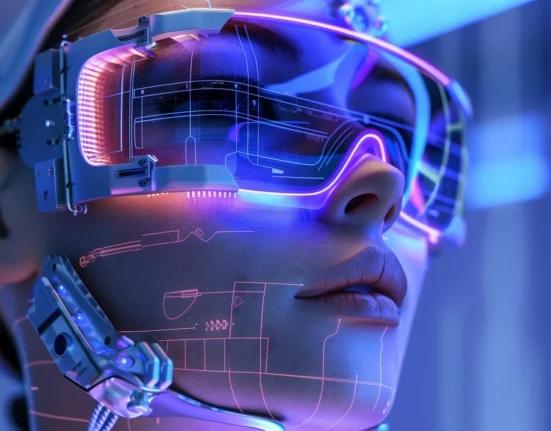




Artificial Intelligence (AI) is at the center of the most significant transformation in hearing technology in decades. Once simple amplification devices, hearing aids have evolved into intelligent companions capable of understanding environments, adapting to user needs, and even predicting what a listener wants to hear. As AI continues to advance, the next generation of hearing aids will be more than assistive devices—they’ll be personalized, proactive, and deeply integrated into everyday life.
In this in-depth guide, we explore how AI is reshaping hearing technology today and what the future of AI-powered hearing aids will look like in the coming years.
1. The Shift From Traditional Hearing Aids to AI-Powered Devices
For decades, hearing aids followed a straightforward model: amplify external sound and reduce noise. While this worked for many, the technology had limitations. Background noise, sudden sounds, and lack of personalization often made traditional devices frustrating to use.
AI has changed the playing field.
How AI Makes Hearing Aids Better Real-time sound classification:
- AI can identify and categorize sounds—speech, music, wind, traffic, crowds—and adjust accordingly.
- Speech enhancement: Machine learning algorithms improve speech clarity even in complex environments.
- Adaptive learning: Devices learn user preferences over time and automatically adjust settings.
- Noise reduction with precision: AI isolates speech from background noise far more accurately than traditional digital signal processing.
- Context awareness: Modern devices understand the environment and optimize audio without user input.
Today’s AI hearing aids are not passive tools but intelligent systems capable of continuous improvement.
2. Key AI Technologies Powering the Next Generation of Hearing Aids
A. Machine Learning for Personalized Sound Profiles
- Hearing aids now have the ability to: Analyze user behavior
- Recognize preferred listening environments
- Auto-adjust volume and directional focus
Over time, the device essentially becomes “trained” to the user’s hearing lifestyle.
B. Deep Neural Networks (DNNs) for Speech Clarity
- DNNs mimic human auditory processing and help devices.
- Distinguish speech from noise.
- Enhance clarity without distorting the image Handle complex, multi-speaker environments like restaurants or meetings.
The result: clearer, more natural listening experiences.
C. Edge AI for Faster Processing
Edge AI allows processing directly on the device rather than the cloud, which means:
- No noticeable delay
- Enhanced privacy
- Lower battery consumption
- Better performance in real-world environments.
D. Natural Language Processing (NLP) & Voice Assistance
Some premium hearing aids now integrate:
- Voice commands
- Virtual assistants (Siri, Google Assistant, Alexa)
- Hands-free calling
Future models may include built-in AI voice assistants tailored for hearing support and health monitoring.
3. AI Hearing Aids as Health and Wellness Devices
Users of modern hearing aids can do a lot more than just help them hear.
A. Fall Detection & Health Monitoring
AI sensors can detect:
- Falls
- Steps
- Levels of activity Heart rate (in some models)
- Early indications of cognitive decline (current research)
B. Cognitive Load Monitoring
AI may help reduce listening fatigue by analyzing user strain and adjusting processing to minimize mental effort.
C. Early Detection of Hearing Loss Progression
Future hearing aids could track changes in:
- Auditory thresholds
- Sound recognition ability
- Environmental comfort patterns and alert audiologists when intervention is needed.
4. Integration and Connectivity: Hearing Aids in the Digital Age Multi-device connectivity and Bluetooth AI hearing aids now easily connect to:
- Smartphones
- TVs
- Laptops
- Smart home systems
- Streaming calls or media directly to hearing aids is now seamless.
Cloud Integration for Continuous Learning
- Cloud AI is used by some advanced devices to: Improve algorithms over time
- Sync preferences across devices
- Receive software updates that expand functionality
- Cloud-based AI ensures hearing aids get smarter with age, not outdated.
5. What’s Next for AI Hearing Technology in the Future?
A. Hearing Predictiveness
- Future hearing aids may anticipate user needs—for example:
- Boosting speech clarity as soon as multiple voices are detected
- Shifting focus during conversations based on head movement
- Predicting preferred settings based on routine (work, home, outdoors)
B. Augmented Reality (AR) for Hearing
An integration of augmented reality glasses and hearing aids:
- Visual captions in real-time
- Speaker identification
- Sound direction visualization
This could revolutionize communication for people with hearing loss.
C. Multi-lingual Real-Time Translation
AI hearing aids may soon offer:
- Real-time language translation
- Transcription and captioning
- Bilingual conversation support
D. Emotion-Aware Hearing
AI could detect emotional cues such as tone changes and adjust response or provide the listener with visual cues.
E. Fully Personalized “Hearing Health OS”
Comprehensive hearing ecosystems may include:
- Personalized soundscapes for work or relaxation Smart tinnitus masking
- Daily auditory brain training
- Integration with other medical devices
6. Challenges & Ethical Considerations
Privacy and Data Security
AI hearing aids gather sensitive health and behavioral data.
Future advancements must prioritize:
- Encryption at every stage Local device processing
- Transparent data policies
- Cost & Accessibility
- Artificial intelligence hearing aids are pricey. Expanding insurance coverage, government programs, and budget-friendly options will be crucial.
Cybersecurity Risks
Connected devices may face hacking risks, especially with cloud and smartphone integrations.
User Learning Curve
As devices become smarter, ensuring they remain easy to use is essential—especially for older users.
7. Why AI Hearing Aids Are a Game-Changer
The benefits include:
- Improved noise speech recognition Personalized hearing experiences
- Reduced physical and cognitive strain
- Improved safety & health monitoring
- Integration with modern digital lifestyles
AI is making hearing aids not just corrective tools, but intelligent, adaptive partners that improve quality of life in ways never before possible.
Conclusion: The Future of Hearing Is AI-Driven
AI hearing aids represent the future of auditory health—smarter, more intuitive, and deeply connected to modern life. As AI continues to evolve, hearing aids will transition from reactive devices to proactive wellness systems capable of sensing, predicting, and supporting users in real time.
For millions of people worldwide, the future of hearing isn’t just brighter—it’s intelligent.