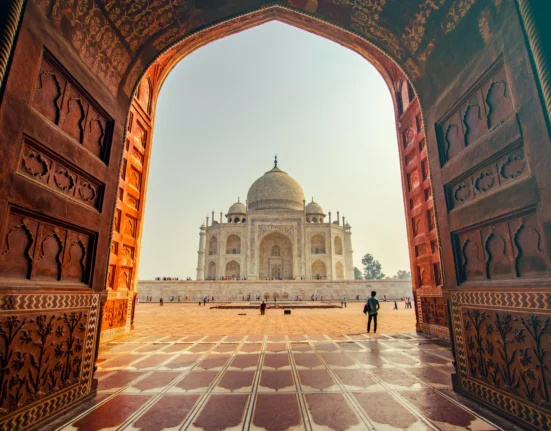
Travel writing has long captured the imagination of readers around the world. Storytelling has always been at the heart of how people experience distant cultures, landscapes, and adventures, from the journals of early explorers to digital travel magazines and blogs today. But in an era where travel information is abundant and competition is fierce, what separates average travel content from truly compelling writing?
Travel writing allows writers to explore the world and their experiences in it through a deeply personal lens by combining the art of storytelling with the informative aspects of travel writing. From the lush, verdant jungles of the Amazon to the bustling, aromatic streets of Marrakech, travel writing capture the spirit of these locales, offering readers a taste of the world from the comfort of their own homes.
The answer is to tell stories that touch people emotionally, educate thoughtfully, and motivate people to take action. A great travel writer does more than just describe places to go; they also take the reader with them into the moment by combining observation, insight, and being real. We’ll look at everything you need to know to become a successful travel writer in this comprehensive guide, from knowing your audience to mastering narrative techniques to using digital tools to build a personal brand. This guide will assist you in creating travel content that stands out, whether you are just starting out or improving your skills.
1. Understanding a Travel Writer’s Role
- More than just a list of features
Travel writing is more than just about writing reviews of hotels and attractions. It’s about telling stories of place, people, and personal experience. Good travel writers help readers see the world through new eyes by telling stories, interpreting cultures, and even teaching.
- The Meaning of Every Story
Every great travel story serves a purpose. It might inspire adventure, offer cultural insight, highlight sustainable tourism, or share practical tips. Before you write, ask yourself:
What is the purpose of this essay?
Which thought or feeling should readers have?
What unique point of view can I contribute?
Clarifying your purpose shapes your writing direction and ensures every word adds value.
2. Do Proper Research
- Do your homework properly
While travel requires some spontaneity, good travel writing begins with preparation. Learn about the place’s past, culture, customs, and current events. Rather than relying solely on first impressions, you can write with context and accuracy thanks to this. Among the sources are:
Local tourism boards and travel guides.
Books by local authors
Podcasts, news articles, and documentaries interactions with guides and residents.
- Ground-Based Monitoring
Your own observations will be your most useful resource once you get there. Note the sights, sounds, smells, and feelings that define a place, as well as other sensory details. Record snippets of conversations, moments of humor, or cultural quirks. These details breathe life into your stories and make them memorable.
3. Find your unique style and voice
- The Importance of Being Real
Your writing is unique because of your voice. Instead of imitating others, let your personal experiences and emotions shine through. Authenticity earns readers’ trust and keeps them returning for more.
- Managing Emotion and Information
Emotional resonance (what it felt like, what you learned, who you met) is combined with practical information (how to get there, where to stay, what to eat) in compelling travel content. Writing that is good finds a balance between being useful and moving.
- Storytelling over writing lists
Avoid turning your blog into a checklist of attractions. Instead, incorporate those specifics into a story arc:
Start by setting the scene—where you are and why you have come.
Conflict or Discovery: What did you experience or learn? What surprised you?
Resolution or Reflection: How did the journey change your perspective?
Stories with structure create emotional engagement and lasting impact.
4. Writing Techniques for Compelling Travel Content
- Don’t tell, show!
Instead of saying, “The beach was beautiful,” describe the scene:
“As fishermen drew their nets to shore, the waves shimmered in shades of turquoise, the scent of salt lingering in the air.” Readers are able to feel like they are there with you thanks to vivid, sensory language.
- Use powerful beginnings and endings
Set the tone, arousing curiosity, or introducing a moment of tension should all be included in your opening paragraph. For example:
“With the exception of the soft clatter of bicycle wheels and the rustle of temple bells in the distance at sunrise, the streets of Kyoto are silent.” Finish with a reflection or insight that gives the experience meaning.
- Local Voices and Dialogue
Including conversations or quotes enhances authenticity. Include local perspectives in your narrative: Our tour guide chuckled, “When the monsoon comes, the mountains disappear, but the tea tastes better.”
- Precision and Honesty
Avoid words like “hidden gem” and “off the beaten path” as clichés. Instead, concentrate on the specifics and share your positive and negative experiences honestly. Readers value transparency and trust writers who tell the truth about travel.
5. Digital Skills for Modern Travel Writer
- SEO and Online Presence
In the digital age, visibility is essential for great writing. Learn the fundamentals of search engine optimization: Naturally employ relevant keywords, such as “best cafes in Lisbon” or “one-on-one travel in Japan.” Write meta descriptions and catchy titles.
For a clear structure, use headings (H1, H2, H3). This increases the number of people who see your content through search engines.
- Photography and Multimedia
Maps, videos, and photographs enhance your writing. Smartphones can capture stunning visuals if used thoughtfully, so you don’t need professional equipment. Always:
Make use of daylight. In addition to aesthetics, focus on storytelling. Captions that go well with your story should be added.
- Use of AI writing Tools
Modern tools like Grammarly, Hemingway, or ChatGPT can assist with editing, idea generation, and grammar checks. However, your creativity and authenticity remain irreplaceable. Make use of technology to help you, not to replace your voice.
6. Build your personal brand
- Through consistency and authenticity, successful travel writers cultivate brands that are easily recognizable.
- Find publications that appeal to your taste. Craft personalized pitches with a strong story angle.
- Keep your writing sample short and to the point. Talented new voices’ freelance submissions are frequently accepted by publications like Condé Nast Traveler, Lonely Planet, Afar, and National Geographic Traveler.
- Share your work on sites like Instagram, Medium, or Substack. Respond to comments, interact with readers, and work with other creators. You can build a loyal following over time by posting frequently and engaging with your audience in real time.
7.Overcoming Challenges
- Writer’s Block: Every writer experiences creative downturns. To rekindle your sense of inspiration, give journaling a try on a daily basis, alter your surroundings, or go back to old notes. Sometimes, taking a break helps you refuel your creativity.
- Finding a balance between authenticity and marketability: When working with brands, stay true to your voice. Forced content can be felt by readers. Write only about things and experiences you really like.
- Controlling Money and Workload: Travel writing for a living is not always glamorous. Learn how to keep a budget, make smart trips plans, and make money from writing, photography, consulting, and social media collaborations.
Travel writing is an art—a blend of storytelling, observation, and authenticity. It encourages readers to explore the world through feelings, experiences, and human connections as well as destinations. Sharing those stories is now easier than ever thanks to technology and global connectivity. However, the qualities that make travel writing timeless are curiosity, empathy, and the capacity to appreciate beauty in the smallest of details. Whether you’re crafting your first blog post or pitching to a major travel magazine, remember: great travel writing doesn’t just describe the world—it transforms how we see it.