




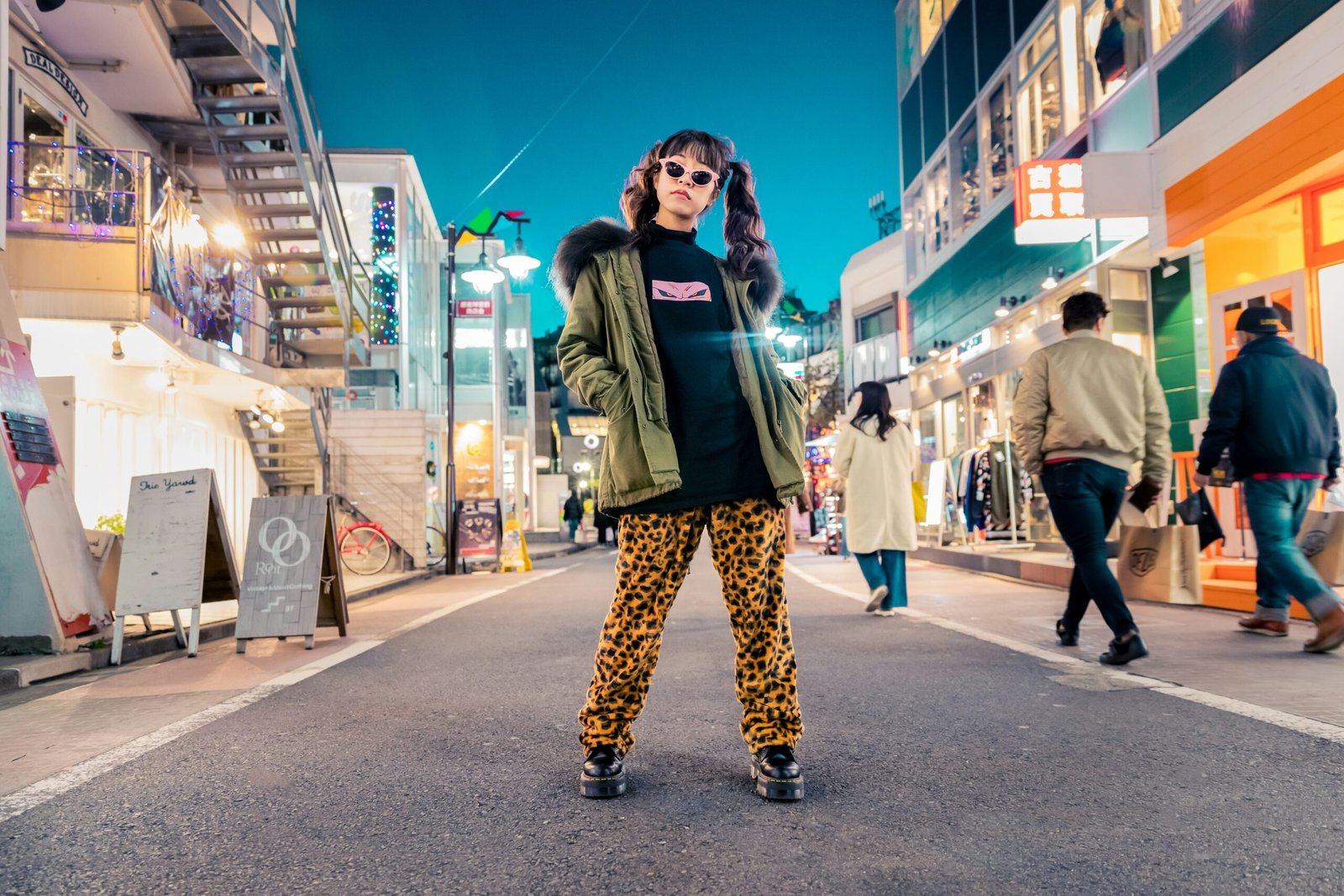
It’s strange how trends can’t stay in the past. Things that were once written off as outdated, unimportant, or outmoded frequently come back years later with a new outlook and appreciation. Society constantly revisits outdated concepts in everything from fashion and technology to lifestyle choices—sometimes out of nostalgia, sometimes out of necessity, and frequently because we come to the conclusion that the past wasn’t all that horrible after all.
The revival of “outdated” trends has been particularly apparent in recent years. These comebacks have been spurred by social media platforms, shifting consumer values, and a general need for authenticity. While older generations are reestablishing connections with remnants of their past, younger generations are discovering traditional styles for the first time.
This blog explores eight outdated trends that have made a strong comeback, examining where they came from, why they disappeared, and why they matter again today.
1.Baggy Jeans and Relaxed Silhouettes
Tight-fitting apparel dominated fashion for a large portion of the 2000s and 2010s. Sharply fitted lines, body-hugging shirts, and skinny pants were seen as the pinnacle of fashion. Once common in the 1990s, baggy jeans were progressively phased out of mainstream fashion due to criticism that they were sloppy or ugly.
The story is quite different now. Wide-leg pants, baggy jeans, and oversized styles have returned to the mainstream. This transition reflects a greater shift in people’s perceptions of fashion, where fixed aesthetics are no longer as important as comfort, movement, and uniqueness. The resurgence is heavily inspired by 90s street style and early hip-hop culture, but modern versions are more polished and versatile. High-waisted wide-leg jeans, loose cargo pants, and oversized blazers can now be styled for casual outings, workplaces, and even formal events. The popularity of this trend also aligns with the rise of gender-neutral fashion, where relaxed fits challenge traditional norms.
Ultimately, the comeback of baggy silhouettes shows that fashion doesn’t need to be restrictive to be stylish. Comfort and confidence have become the new markers of good design.
2.Vinyl Records and Analog Music
Music is now more accessible than ever in the digital age. Physical music formats previously appeared to be on the verge of extinction, with streaming services providing millions of songs at the touch of a screen. In particular, vinyl recordings were seen as fragile, antiquated, and inconvenient.
Vinyl has surprisingly returned. New vinyl pressings are being issued, record stores are reopening, and collectors of all ages are making investments in tangible LPs and turntables. Experience is more important in this resurrection than just sound quality. Vinyl encourages listeners to slow down. Instead of skipping songs or shuffling playlists, listeners engage with an album as a complete body of work. Album artwork, liner notes, and the tactile act of placing a record on a turntable add emotional depth to the listening process.
In a world dominated by fast consumption, vinyl represents intentional living. It reminds people that music can be more than background noise—it can be a ritual, a memory, and a meaningful connection to art.
3.Y2K Fashion and Early 2000s Aesthetics
Fashion from the early 2000s was ridiculed more than many other styles. Bold logos, tiny handbags, flashy materials, and low-rise pants were frequently recalled as fashion blunders. These fashions were written down as outmoded and extravagant for many years.But thanks in large part to Gen Z and social media culture, Y2K fashion has made strong comeback. Once-ridiculed styles have become essential aesthetics thanks to platforms like Instagram and TikTok. The self-awareness of today’s Y2K fashion, which combines nostalgia with contemporary sensibilities, is what sets this resurgence apart.
People combine vintage-inspired items with modern tailoring and sustainability-focused selections rather than mindlessly copying vintage attire. The end effect is a lively, expressive style that values uniqueness above correctness. This comeback also reflects a broader cultural shift. In uncertain times, people gravitate toward joyful, colorful, and nostalgic fashion as a form of escapism. Y2K fashion allows wearers to embrace fun and creativity without taking style too seriously.
4.Polaroid and Disposable Cameras
Modern smartphones are equipped with high-resolution cameras capable of capturing thousands of flawless photos. Yet, despite this technological advancement, Polaroid and disposable cameras are making a surprising return. Unlike digital photos that can be edited endlessly or forgotten in a gallery, film photos are finite and imperfect. Each shot feels intentional, and the unpredictability adds to their charm. Blurred edges, unexpected lighting, and spontaneous moments give film photography a sense of authenticity that digital images often lack.
Polaroids, in particular, offer instant physical memories—photos you can hold, display, or share in real time. This tactile quality resonates with people who crave real-world connections in an increasingly virtual environment.
The revival of film cameras reflects a desire to be present, to document life as it happens rather than curating perfection for social media.
5. Crop Tops as a Mainstream Staple
In the past, crop tops were closely linked to particular historical periods and ideal body types. They were popular in the 1990s and early 2000s, but as fashion moved toward longer, more conservative designs, they eventually lost appeal. Crop tops are back today, but they look quite different. They are no longer restricted to a single stylistic group or body type. Contemporary crop tops are appropriate for many different circumstances, ranging from sporty and informal to sophisticated and structured.
This comeback is unique in that it is inclusive. People may now wear crop tops in ways that feel empowering and comfortable by pairing them with skirts, high-waisted jeans, and layered ensembles. This change reflects evolving perspectives on self-expression and body positivity.
Rather than being a trend tied to age or size, crop tops have become a symbol of confidence and versatility.
6.Thrifting and Secondhand Fashion
Secondhand shopping used to be stigmatized. Thrift stores were frequently linked to a lack of options or a need for money. Today, thrifting has undergone a thorough rebranding as an eco-friendly and fashionable activity.
More consumers are opting for used apparel as a sustainable alternative as knowledge of the negative environmental effects of rapid fashion rises. Thrifting challenges the culture of excessive consumerism, encourages reuse, and decreases waste.
Beyond sustainability, thrifting gives originality, which is becoming more and more uncommon in contemporary fashion. People can create wardrobes that express their particular taste rather than following popular trends by using vintage and used items. Millions of people have been inspired by thrift store finds and styling videos on social media, which has further magnified this phenomenon.
This comeback proves that old clothes can tell new stories—and that fashion doesn’t have to be new to be valuable.
7.Flip Phones and Digital Minimalism
Although smartphones have transformed communication, they have also led to screen addiction, anxiety, and continual distraction. Flip phones and other minimalist gadgets are becoming more and more popular as a result. Flip phones, once thought to be antiquated, are now a symbol of purposeful living. They let consumers stay in touch without being burdened by incessant notifications, surfing through social media, or experiencing digital overload.
This tendency is consistent with the larger trend of digital minimalism, which aims to foster more positive interactions with technology. Users recover time, concentration, and mental clarity by making their devices simpler.
The return of flip phones is about using technology with greater awareness rather than rejecting it.
8.Home Workouts and Classic Fitness Routines
Before fitness apps, smart watches, and advanced gym equipment, people relied on simple home workouts. Aerobics videos, yoga mats, resistance bands, and bodyweight exercises were the foundation of personal fitness.
While these methods were once overshadowed by high-tech gym culture, they have returned to popularity. Home workouts are now valued for their convenience, accessibility, and flexibility. People can exercise on their own terms without expensive memberships or crowded spaces.What’s interesting is how old routines have been modernized. Online classes, virtual trainers, and social fitness communities have enhanced traditional exercises without replacing their simplicity.
This comeback highlights an important lesson: effective fitness doesn’t require complexity—just consistency.
Conclusion
The return of these outdated trends reveals a deeper truth about culture and society: progress doesn’t always mean abandoning the past. Often, it means revisiting old ideas and adapting them to modern values. Whether it’s fashion, music, technology, or lifestyle habits, these comebacks reflect a desire for authenticity, comfort, sustainability, and meaningful experiences. They remind us that trends are cyclical—and that sometimes, the best way forward is to look back.As we continue to evolve, it’s likely that today’s trends will one day fade, only to return again in new and unexpected ways.